
Night waking can relate to environment, habits, medicines, menopause, pain or sleep disorders. Use this practical checklist before adding another sleep product.
Return to previous page
Page 4
Explore evidence-aware guides on Sceletium, Blue Lotus, calming botanicals, medicine interactions and responsible product selection from Nature’s Pharmatropia.
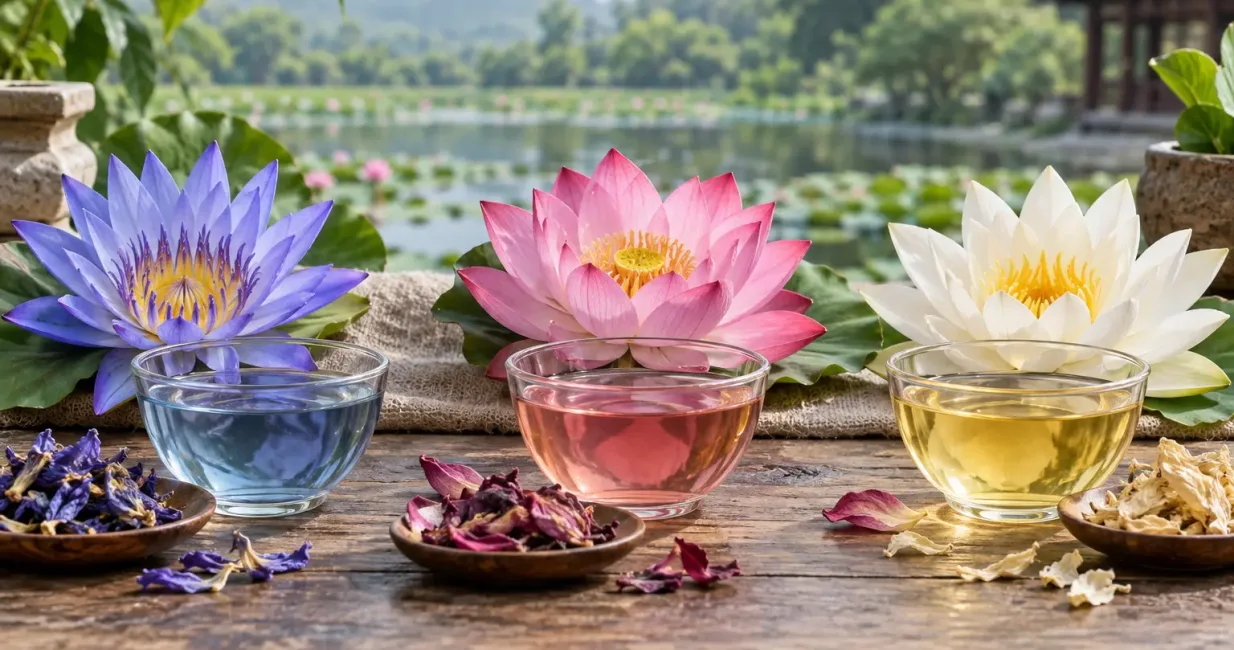
Blue, pink and white lotus products are not interchangeable. Compare their botanical identities, traditions, flavours, formats and safety considerations.
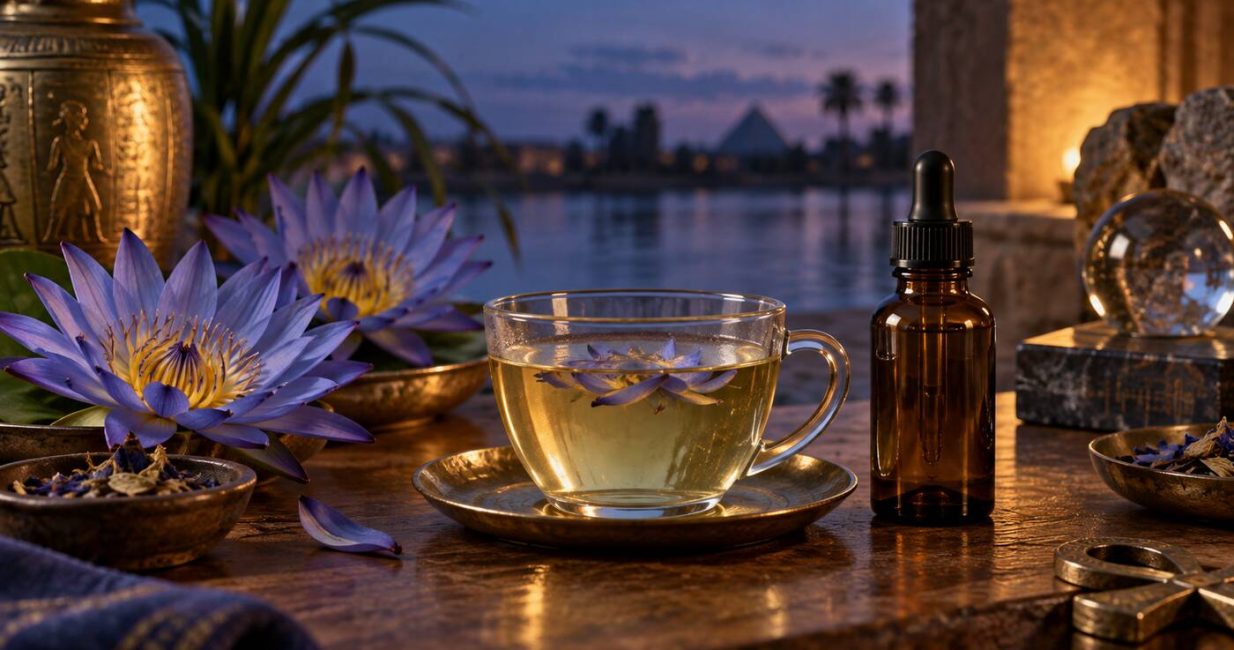
Blue lotus tea and tincture use different extraction methods and cannot be compared by drop count alone. Learn what to check before choosing either form.
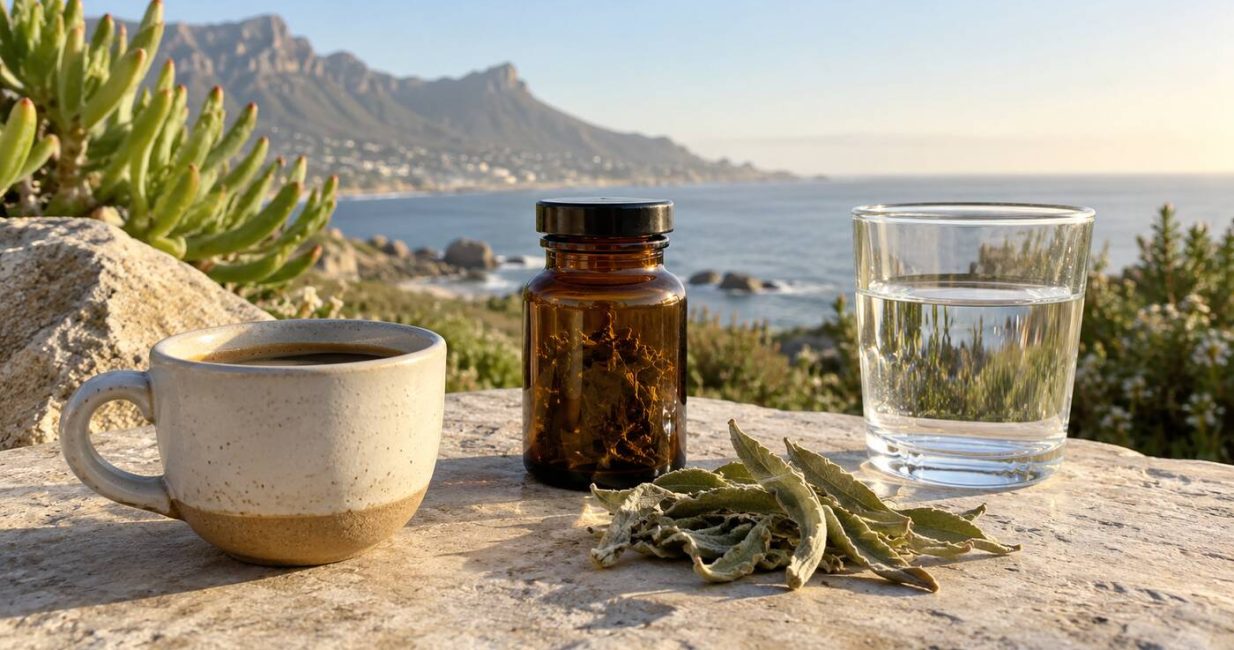
There is little direct research on combining Sceletium with caffeine. Learn why individual sensitivity, medicines, total caffeine and product strength matter.

Blue is often associated with calm, trust and clear communication. Explore a grounded blue-colour ritual without turning symbolism into a medical promise.

Complementary practices can support reflection, relaxation or coping, but coordination, clear goals and appropriate clinical care keep the plan safer and more useful.
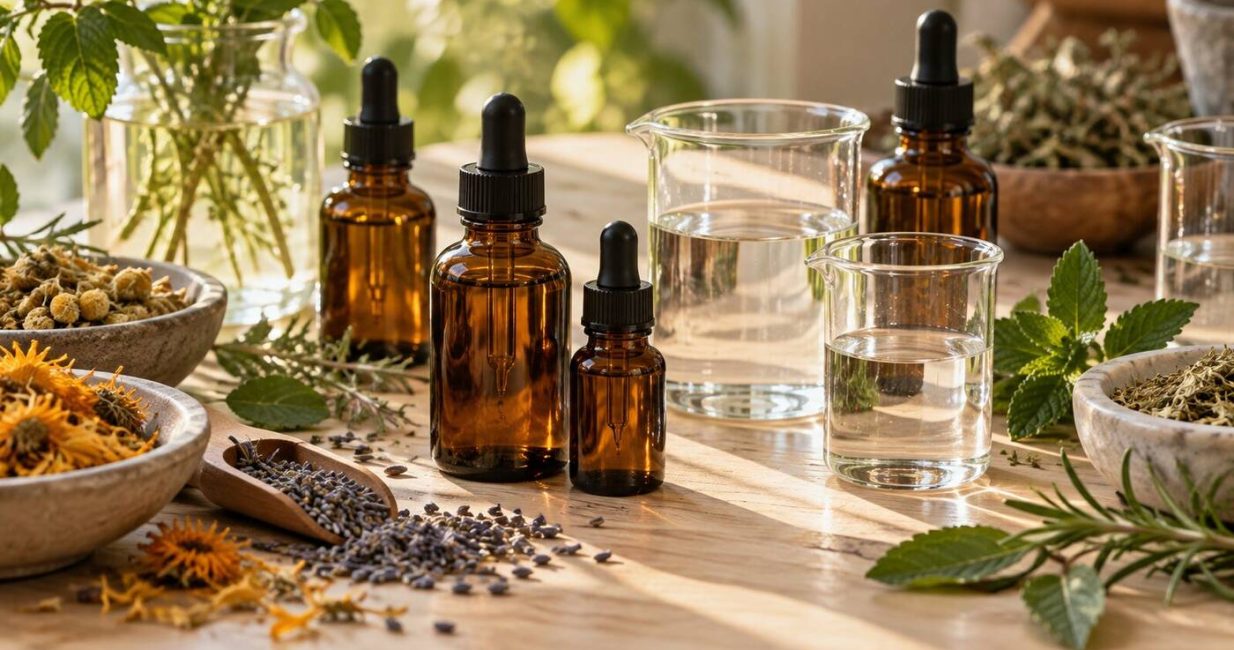
The alcohol percentage in a herbal tincture describes its ethanol concentration, not its botanical strength. Learn how solvent choice, extract ratio and serving size work together.
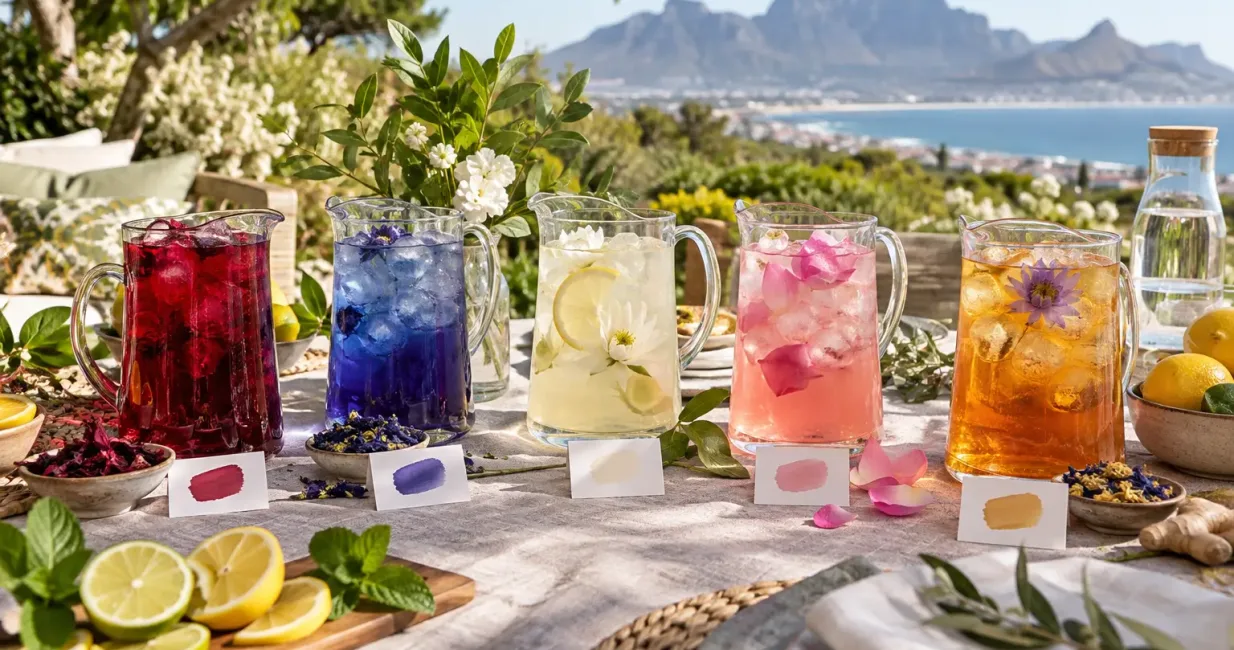
Create a colourful botanical iced-tea table with hibiscus, blue pea and lotus teas while keeping ingredients, allergies, medicines and safe cooling in mind.
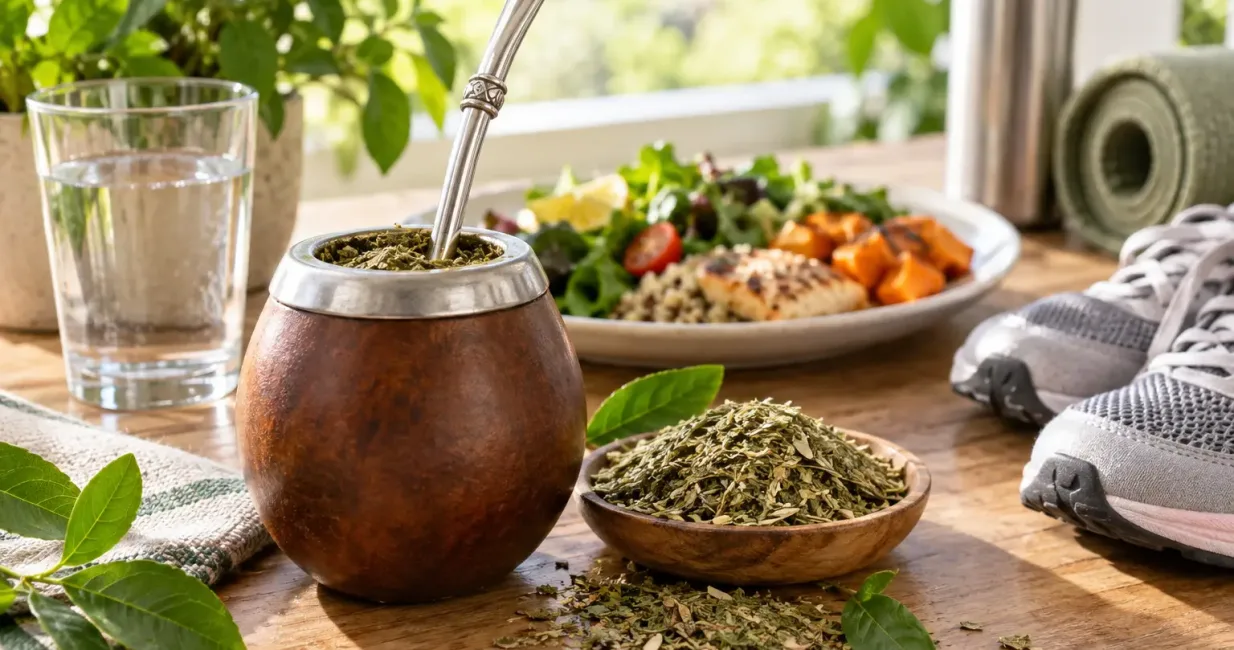
A realistic guide to Yerba Maté, caffeine, appetite and body-weight claims—plus practical ways to enjoy it without turning tea into a diet promise.
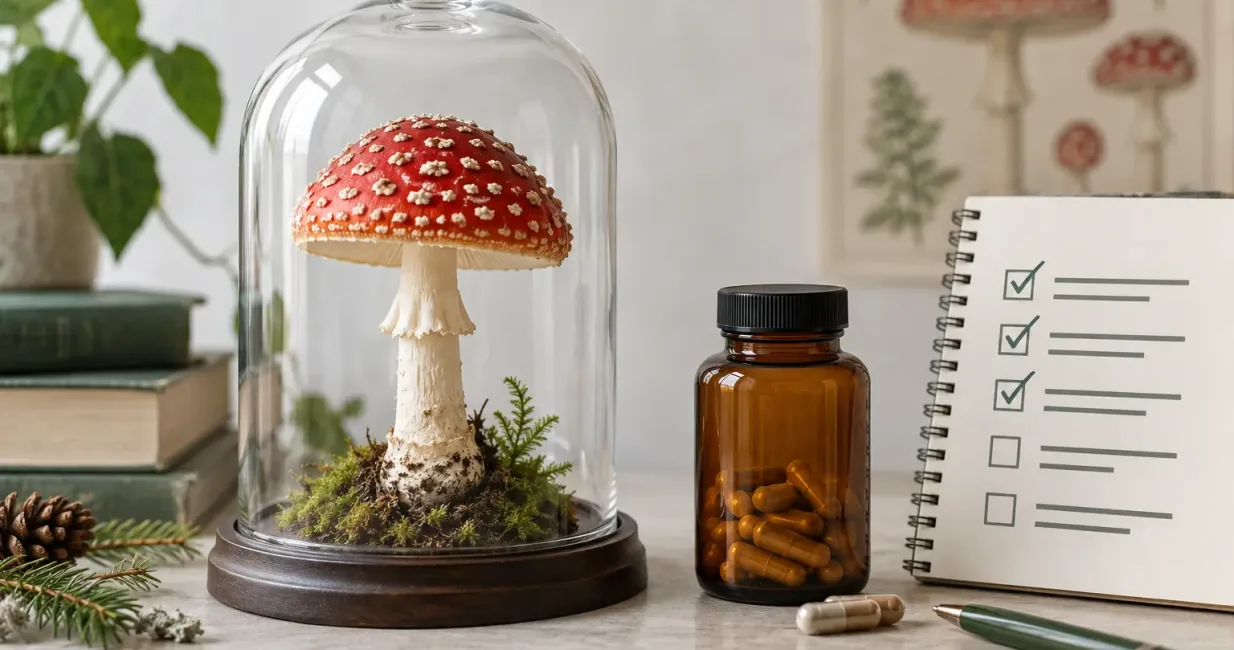
A safety-first guide to Amanita muscaria and muscimol, including evidence limits, product variability, interactions, impairment and urgent warning signs.
Showing 31–40 of 89 posts