Yerba Maté Tea in South Africa: Benefits, Caffeine and Preparation
Traditional South American infusion · Naturally occurring caffeine · Hot or iced
Yerba Maté in South Africa
A practical, evidence-aware guide to flavour, caffeine, preparation, safety and choosing the right loose-leaf, tea-bag or traditional option.
What is Yerba Maté?
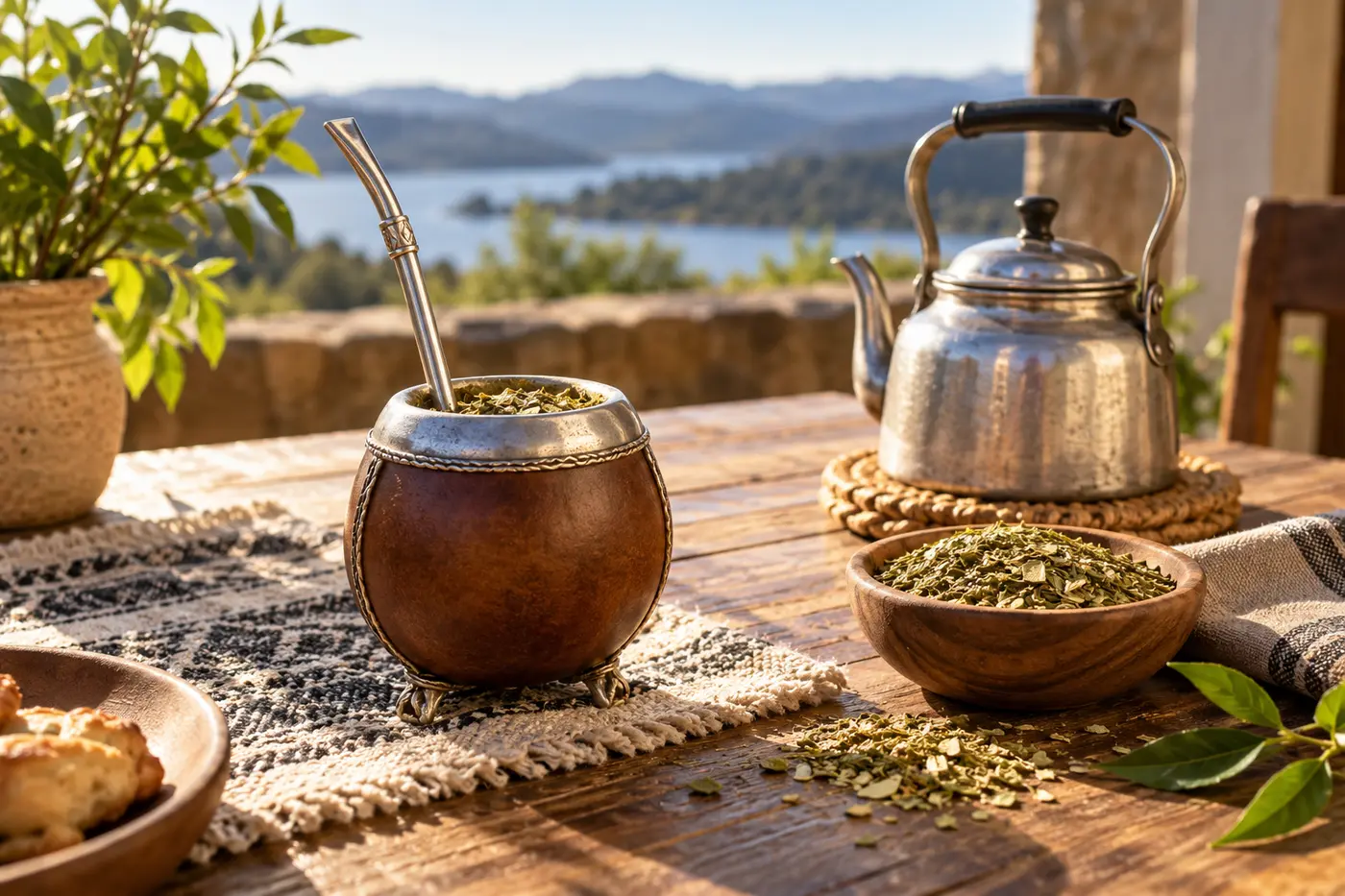
Yerba Maté is an infusion made from the leaves and stems of Ilex paraguariensis, an evergreen plant native to South America. It is strongly associated with Argentina, Uruguay, Paraguay and southern Brazil, where sharing a gourd and bombilla forms part of a long social tradition.
Although it is often called “tea”, it does not come from Camellia sinensis, the plant used for black, green and white tea. Yerba Maté contains naturally occurring caffeine as well as plant polyphenols and other compounds whose amounts vary by cultivar, processing and preparation.
What does Yerba Maté taste like?
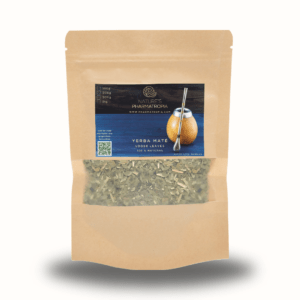
Classic loose leaf
Earthy, vegetal and pleasantly bitter. Using less leaf or a shorter steep makes an easier first cup.
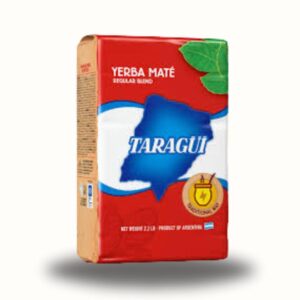
Imported Argentine brands
Often bolder and more traditional, with flavour differences created by the leaf-and-stem cut, ageing and processing.
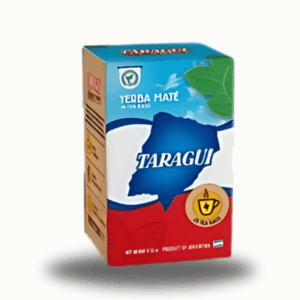
Tea bags
Lighter, consistent and convenient for work or travel.
Cold tereré
Refreshing and easy to customise with ice, citrus or mint.
Yerba Maté versus coffee
Both drinks contain caffeine. “Mateine” is not a separate chemical; it is an informal name sometimes used for the caffeine in Maté. The amount in your cup depends on the product, quantity used, water temperature, steeping time and—in traditional preparation—the number of refills.
| Feature | Yerba Maté | Coffee |
|---|---|---|
| Plant | Ilex paraguariensis leaves and stems | Roasted coffee seeds |
| Taste | Earthy, herbal and bitter | Roasted, aromatic and bitter |
| Preparation | Infuser, French press, gourd or cold tereré | Filter, espresso, plunger and other methods |
| Caffeine | Variable; especially with repeated refills | Variable by bean, serving and brew |
| Better choice? | Neither is universally healthier. Quantity, preparation, added sugar and individual tolerance matter. | |
For another common comparison, read our Yerba Maté vs green tea guide.
What does the research actually suggest?
Yerba Maté supplies polyphenols and caffeine, and research has explored possible effects on alertness, exercise performance, metabolism and cardiovascular markers. However, many studies are small, short or use extracts and doses that do not directly match an ordinary cup.
- Alertness: caffeine can temporarily increase wakefulness and attention, but may also worsen anxiety, palpitations or sleep.
- Exercise: some research suggests possible effects on fat oxidation or performance, but this does not establish a guaranteed benefit for every person or product.
- Weight management: Yerba Maté is not a proven stand-alone weight-loss treatment. Food intake, sleep, activity and overall health remain central.
- Antioxidants: the plant contains polyphenols, but “high in antioxidants” does not mean it treats or prevents disease.
For a focused review, see our Yerba Maté and weight-management evidence guide.
Four ways to prepare Yerba Maté
1. Ordinary cup or infuser
Use approximately 5–10g per cup, add water around 70–80°C, steep for 3–5 minutes and strain. Adjust the amount before lengthening the brew excessively.
2. French press
Add the loose leaf, pour in 70–80°C water, steep for 3–5 minutes and press slowly.
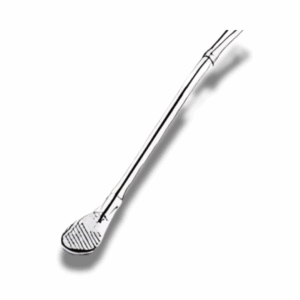
3. Traditional gourd and bombilla
Part-fill the gourd, tilt the leaves, moisten the lower section with cooler water, insert the bombilla and add hot—not boiling—water. Refill while the flavour remains pleasant.
4. Iced Yerba Maté or tereré
Brew slightly stronger, cool and pour over ice, or prepare traditionally with cold water. Citrus and mint are popular additions.
How to choose the right Yerba Maté
| Format | Best for | What to know |
|---|---|---|
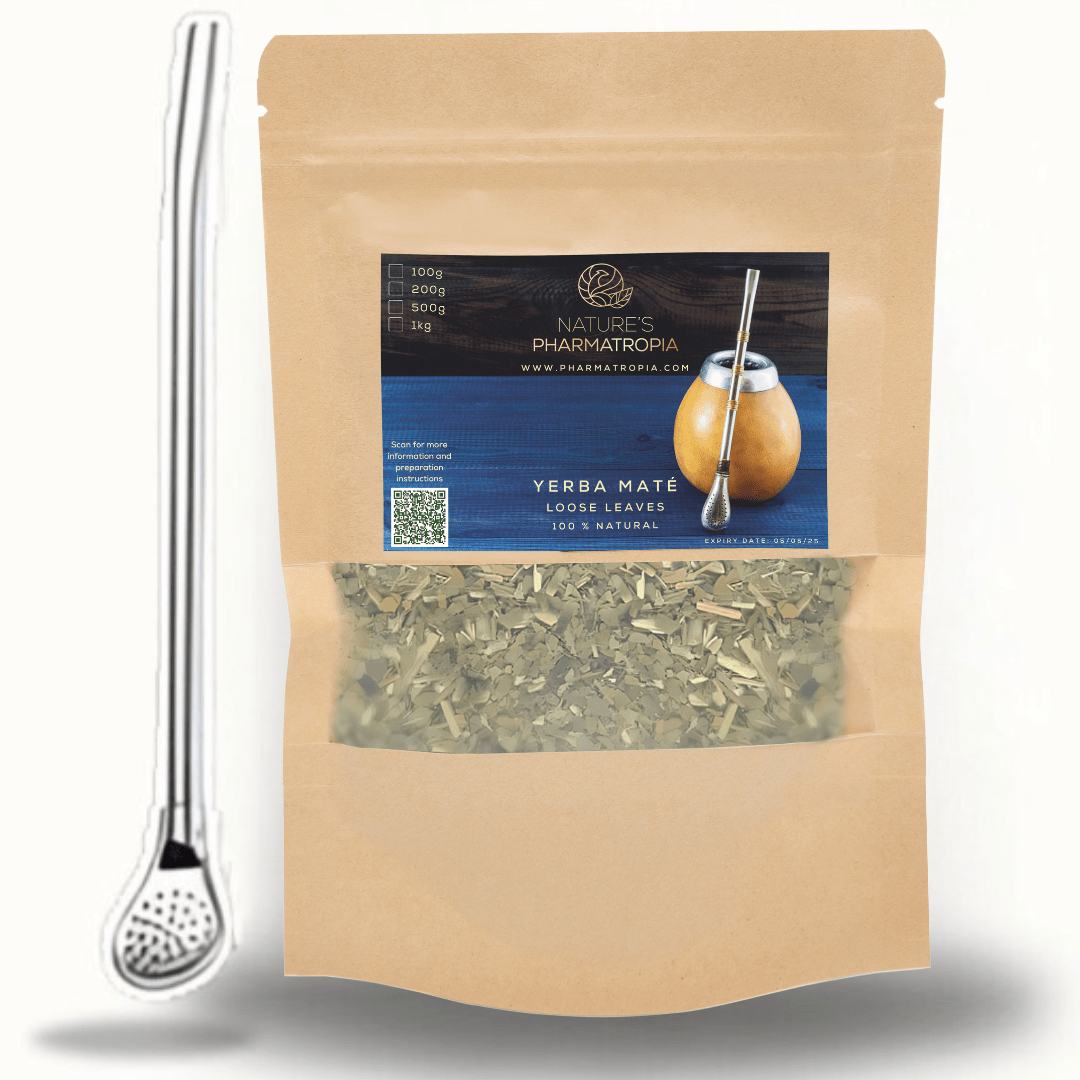
| 100g loose leaf | First-time buyers | A smaller commitment for learning the flavour |
| 200g loose leaf | Regular home use | Flexible and easy to brew several ways |
| 500g–1kg | Frequent drinkers | Better volume value; store airtight and dry |
| Tea bags | Work and travel | Consistent and no specialist equipment required |
| Starter set | Beginners and gifting | Combines loose leaf with a bombilla |
Safety, temperature and medication considerations
- Yerba Maté contains caffeine. Reduce or avoid it if caffeine triggers anxiety, tremor, reflux, palpitations or insomnia.
- Count caffeine from coffee, ordinary tea, energy drinks, pre-workouts, chocolate and medicines.
- Ask a healthcare professional before use during pregnancy or breastfeeding, for children, or if you have an arrhythmia or uncontrolled blood pressure.
- Check compatibility if you use stimulant medication, MAO inhibitors, some decongestants or other products that affect heart rate or blood pressure.
- Avoid drinking beverages at scalding temperatures. Allow the drink to cool to a comfortable temperature.
Frequently asked questions
Where can I buy Yerba Maté in South Africa?
Nature’s Pharmatropia offers loose leaf, imported Argentine products, tea bags and preparation accessories online for South African delivery.
Is Yerba Maté healthier than coffee?
There is no universal winner. Both contain caffeine and plant compounds; serving size, preparation, additions and personal tolerance are more useful comparisons.
Does Yerba Maté contain caffeine?
Yes. The amount varies by product and brewing method.
How do I make Yerba Maté without a bombilla?
Use an infuser, teapot or French press and strain before drinking.
What does Yerba Maté taste like?
Classic Maté is earthy, vegetal and pleasantly bitter.
Can I drink Yerba Maté cold?
Yes. Brew and chill it or prepare cold tereré.
What is best for a beginner?
A 100g pack, tea bags or a 200g starter combination provides an accessible introduction.
How late can I drink it?
Caffeine sensitivity differs. If it affects your sleep, keep it to the morning or early afternoon and allow several hours before bedtime.
Shop Yerba Maté
Selected references
- Heck CI, de Mejia EG. Yerba Mate Tea (Ilex paraguariensis): a comprehensive review. Journal of Food Science.
- Gawron-Gzella A, et al. Yerba Maté—A long but current history. Nutrients.
- International Agency for Research on Cancer. Drinking very hot beverages and cancer risk. IARC evaluation.
Disclaimer: This guide is educational and does not replace medical advice. Product availability and labels may change; always review the current product page and packaging.
Compare Yerba Maté and coffee by caffeine, taste and preparation in our Yerba Maté vs coffee guide.