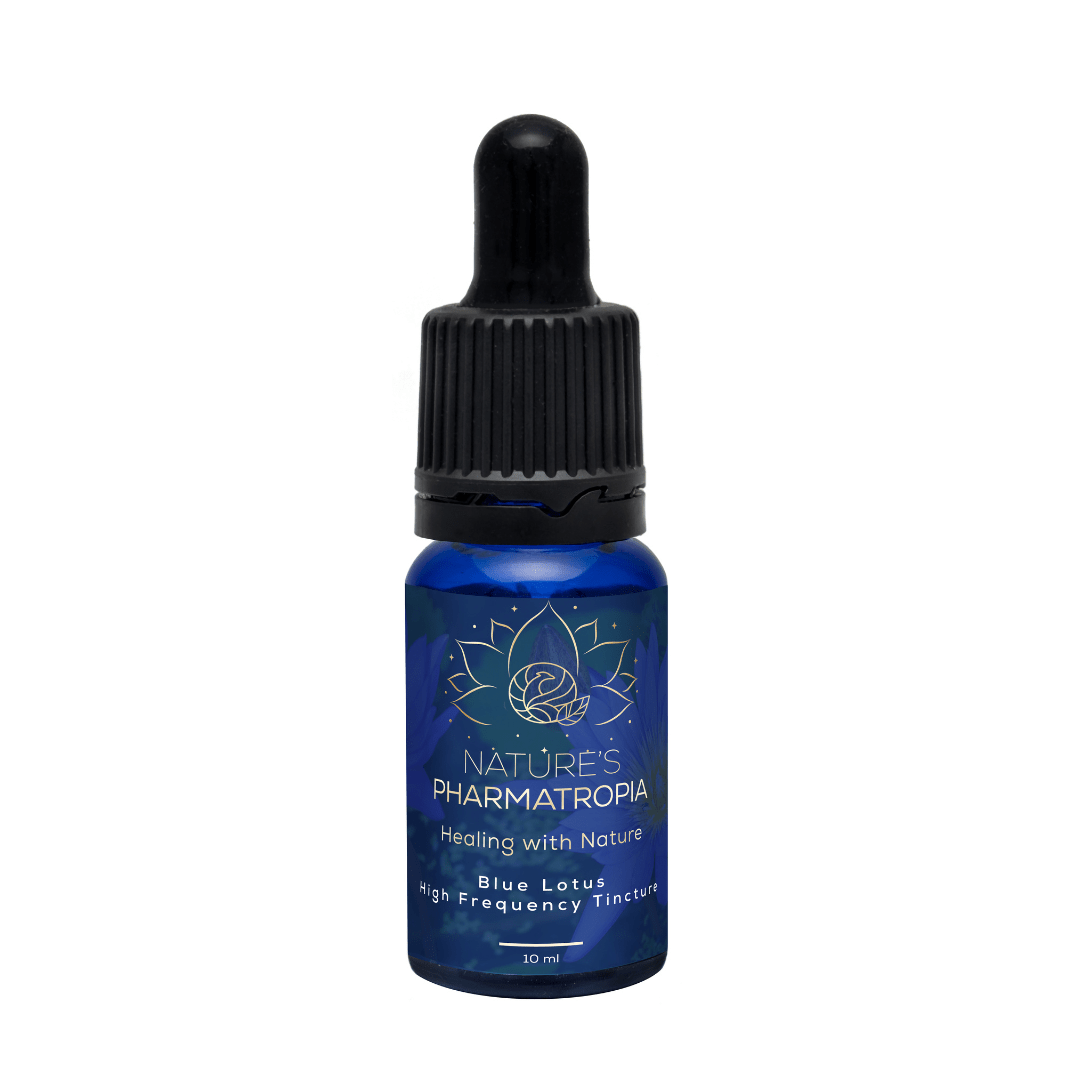

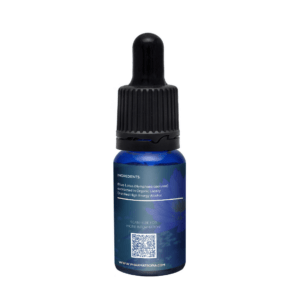
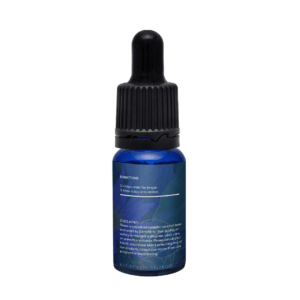
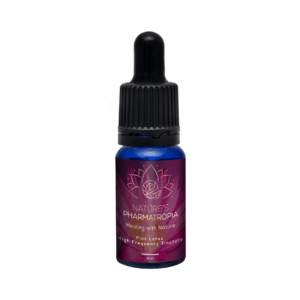
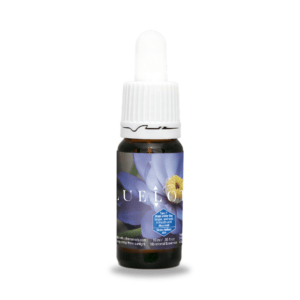
Blue Lotus Tincture 10ml – Nymphaea caerulea 1:10 Extract
R161.00 incl. VAT
Brand: Natures PharmatropiaFrequency-enhanced Blue Lotus tincture
Prepared in high-frequency alcohol with a 1:10 extract of Nymphaea caerulea.
Traditionally used for:
- Relaxation and unwinding
- Meditation and quiet reflection
- An evening wind-down ritual
Ingredients: Blue Lotus extract and alcohol.
Bottle size: 10ml.
Contains alcohol. For adults only. May cause drowsiness.
About this Blue Lotus tincture
Make space for a quieter moment. Nature’s Pharmatropia Blue Lotus Tincture 10ml is a frequency-enhanced 1:10 extract of Nymphaea caerulea, prepared in high-frequency alcohol.
Blue Lotus has a long association with relaxation and contemplative rituals. This dropper bottle offers a simple liquid format for your personal wind-down routine. Traditional use provides context; individual experiences vary.
Ingredients and extract ratio
- Botanical: Blue Lotus (Nymphaea caerulea).
- Ingredients: Blue Lotus extract and alcohol.
- Extract ratio: 1:10.
- Bottle size: 10ml.
What does 1:10 mean? One part botanical material is used to make ten parts of the finished liquid preparation. Alcohol acts as the extraction medium.
Also available in 30ml. Both sizes use a 1:10 extract ratio; the 30ml bottle contains three times the volume of the 10ml bottle.
How to use
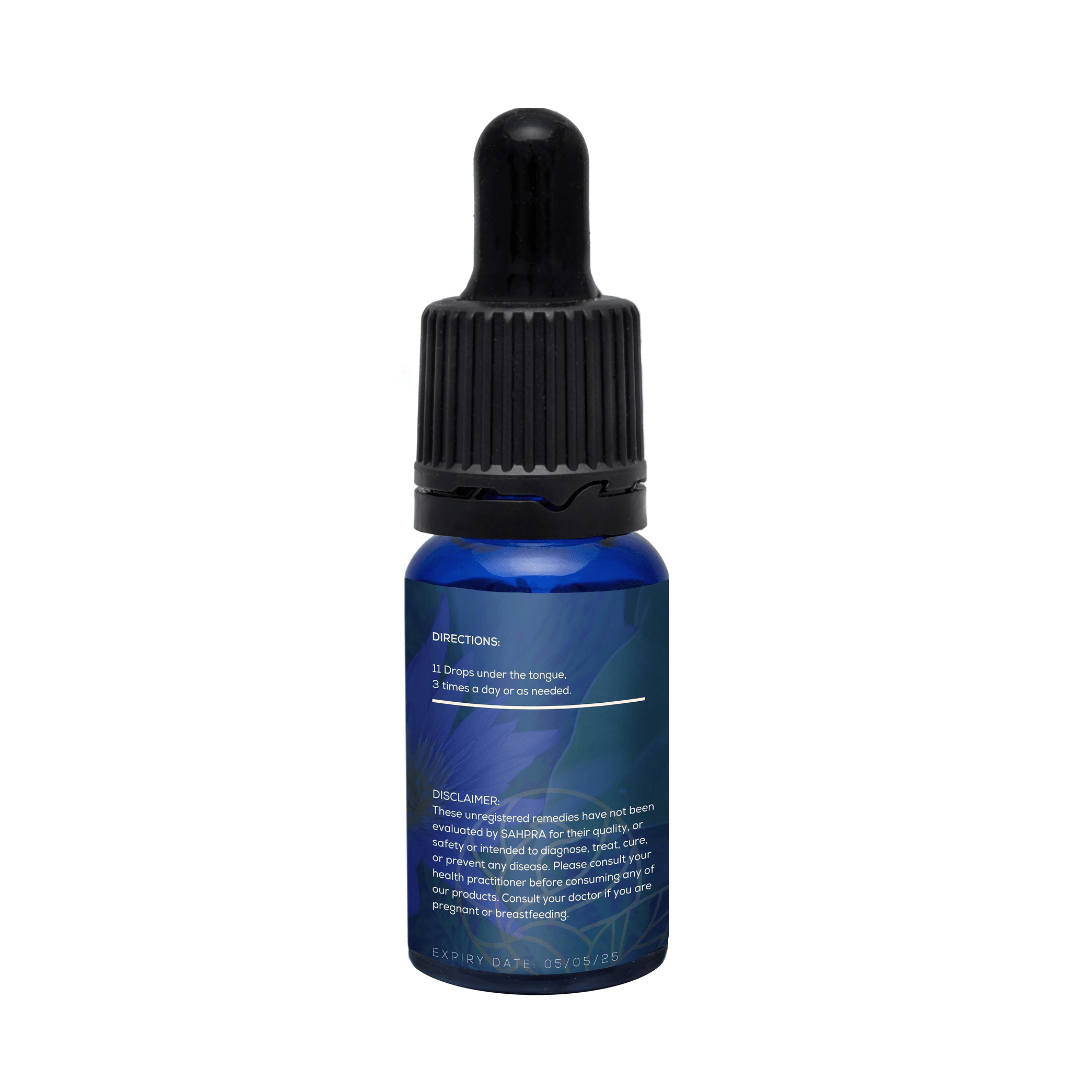
Follow the directions on your bottle. Do not exceed the labelled directions. Refer to your pack for storage instructions, batch information and expiry details.
Before you use it: For adults only. Contains alcohol. Avoid during pregnancy and breastfeeding, and where alcohol must be avoided. Do not combine with additional alcohol, sedatives or other intoxicating substances. Speak to a pharmacist or qualified healthcare practitioner before use if you take medication or have a health condition.
May cause drowsiness. Do not drive or operate machinery after use. Stop use and seek medical advice if you experience an adverse reaction. Do not smoke or vape this tincture.
This unregistered remedy has not been evaluated by SAHPRA for quality, safety or intended use and is not intended to diagnose, treat, cure or prevent disease.
Research and published studies
Explore six papers on Blue Lotus and related lotus research, with a brief explanation of what each contributes. Most cover plant chemistry, laboratory findings or safety observations. They do not establish clinical benefits for this finished tincture.
1. Blue Lotus extract composition
Dosoky et al. (2023) — An analytical study of six authenticated extracts and eleven commercial products found differences in their chemical profiles. It helps explain why botanical identity and extraction method matter. Its topical fragrance assessment does not establish safety or benefits for an oral tincture.
Read the published paper on PubMed
2. Human safety observations
Schimpf et al. (2023; first published online in 2021) — A case series reported sedation and altered perception in five people after using blue-lotus products: four after vaping and one after an infused beverage. These observations support precautions about drowsiness, driving and combining intoxicating substances.
Read the published paper on PubMed
3. Variation between blue-lotus preparations
Poklis et al. (2017) — Laboratory testing of a resin and four commercial preparations found different levels of apomorphine and nuciferine. This research concerned product composition and aerosolisation, rather than benefits from an oral tincture.
Read the published paper on PubMed
4. How isolated nuciferine behaves
Farrell et al. (2016) — Laboratory and animal experiments examined isolated nuciferine and its activity at several receptors. This is background pharmacology, not a human trial of Blue Lotus tincture. Research on the distinct botanical Nelumbo nucifera also needs to be interpreted separately.
Read the published paper on PubMed
5. Egyptian blue-lily plant chemistry
Younis et al. (2025) — Researchers studied Nymphaea nouchali flowers, leaves and stems, alongside laboratory antioxidant and cholinesterase assays. The findings describe plant chemistry; they do not demonstrate memory or other health benefits in people taking this tincture.
Read the published paper on PubMed
6. Botanical identity and the wider research
Czernicka and Such (2026) — This review brings together research on Nymphaea and Nelumbo species, their phenolic compounds and biological mechanisms. It highlights why the species and preparation matter when interpreting findings. A research review is different from a new clinical trial.
Read the published paper on PubMed
More about Blue Lotus
| Weight | 0.05 kg |
|---|---|
| Dimensions | 2.5 × 2.5 × 8 cm |
| Bottle volume | 10ml |
| Botanical name | Nymphaea caerulea |
| Ingredients | Blue Lotus extract; alcohol |
| Extract ratio | 1:10 |
| Format | Alcohol-based tincture in a dropper bottle |
1 review for Blue Lotus Tincture 10ml – Nymphaea caerulea 1:10 Extract
Only logged in customers who have purchased this product may leave a review.




L Rushing (verified owner) –
THIS IS THE BEST THING FOR LUCID DREAMING! I have tried so many different things to induce a lucid dream and it’s all failed. Then I read up about the Blue Lotus (I’ve been using it with the Bobinsana) and decided to give it a chance. On the first two nights, there was nothing but by nights 3 to 5, I had dreams that I could vaguely remember. By the second week my dreams became more and more vivid, I was waking and remembering them with more clarity than ever before. And last night, the end of my second week, I BECAME AWARE IN MY DREAM! I was semi-lucid for the first time ever. I can’t wait to be fully lucid! THANKS!