
A practical guide to choosing considerate wellness gifts in South Africa, with advice on vouchers, preferences, allergies and personal boundaries.
Return to previous page
Page 6
Explore practical, evidence-aware guides on Methylene Blue, Nitric Oxide, Yerba Maté, caffeine, energy and performance supplements, with responsible comparison and safety information.

A practical South African checklist for checking sellers, labels, batch details, storage and returns before buying wellness products online.

If you use methylene blue under appropriate guidance, a structured record is more useful than asking whether you simply “feel better”.
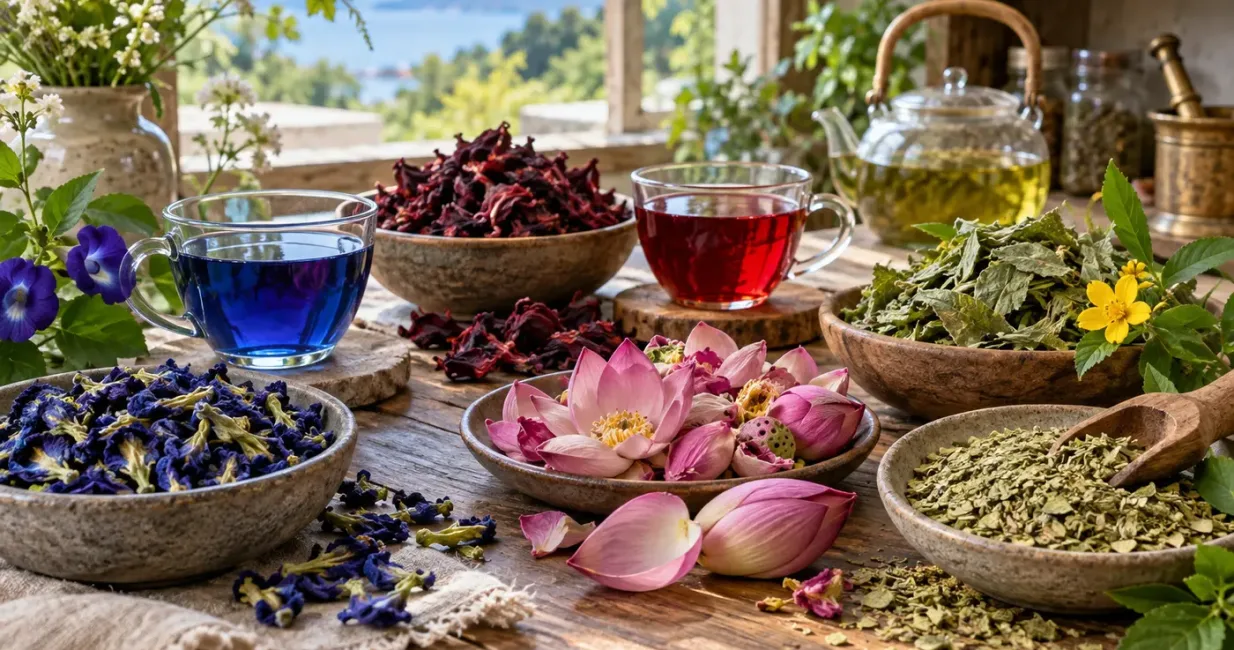
A thoughtful tea pantry is built around flavour, ritual and responsible use—not a promise that every cup treats a condition.

Spring pollen can bring sneezing, watery eyes, congestion and sinus pressure. The safest plan combines exposure reduction, gentle nasal care and appropriate treatment.

A performance stack should begin with a specific goal and a strong foundation—not a long list of products. Energy, strength, endurance and focus are related, but they are not interchangeable.

Pregnancy and postpartum recovery create real nutritional demands, but they are also times when supplement safety deserves extra care. Natural does not automatically mean pregnancy-safe.

Children and teenagers may sometimes need nutritional support, but age, diet, medication, health history and the reason for use all matter. Start with the need—not the product.
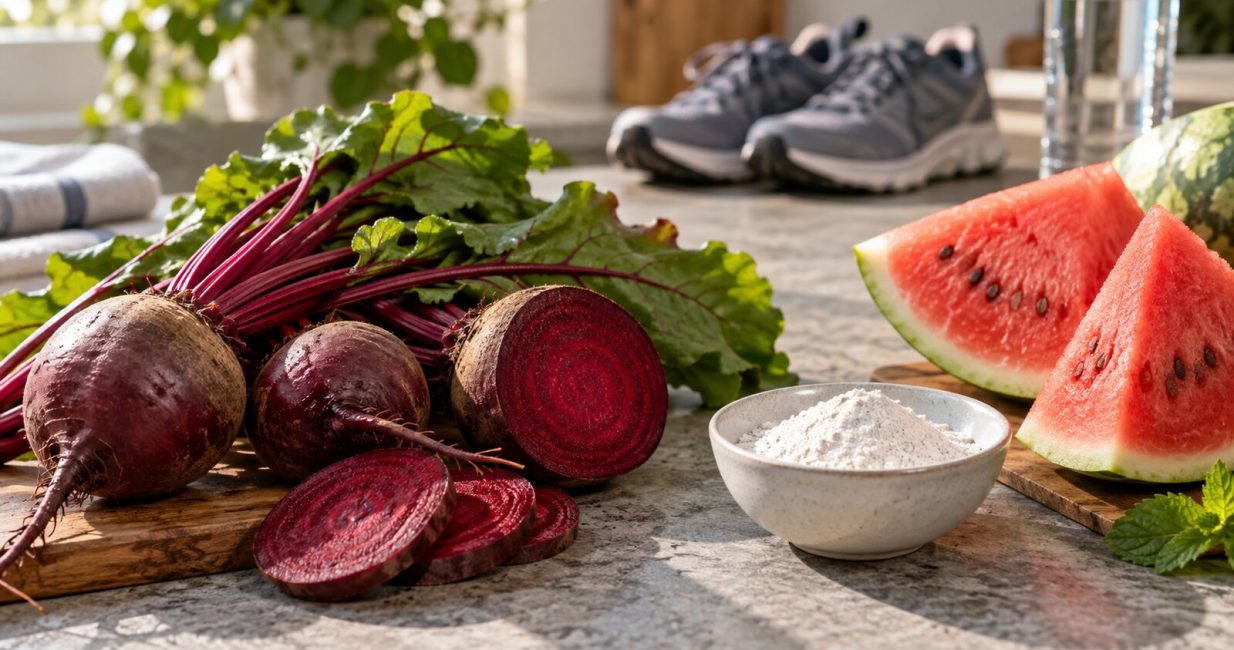
Beetroot nitrate and L-citrulline can both influence nitric-oxide pathways, but by different routes. Compare evidence, labels, timing and safety before choosing.

A standardised herbal extract is adjusted to contain a defined amount of selected constituents. Learn what the term tells you—and what it does not prove.
Showing 51–60 of 90 posts