
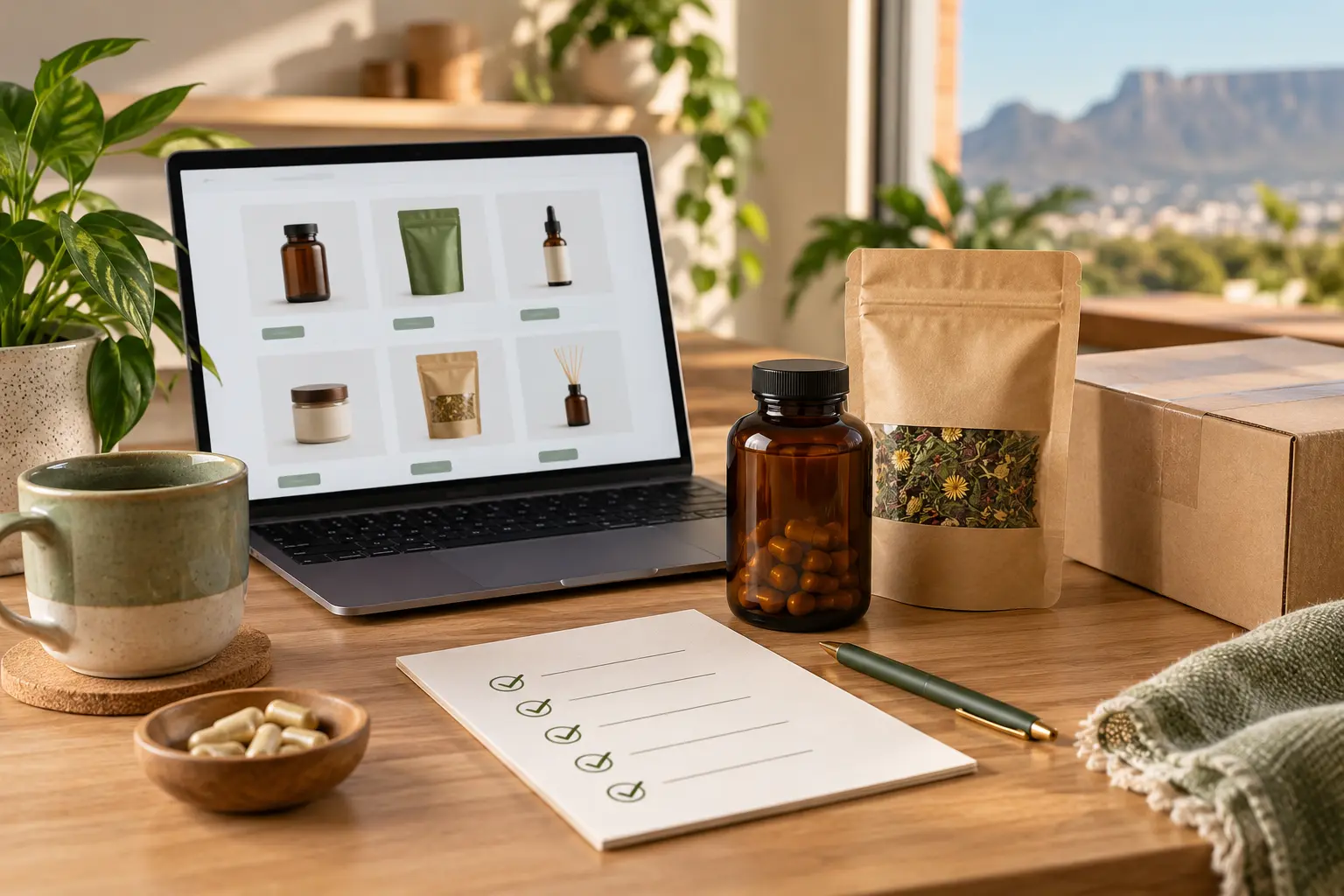
Buying Wellness Products on Online Marketplaces: What to Check
Online marketplaces make it easier to compare wellness products and arrange delivery, but a convenient listing is not the same as a well-documented product. Before ordering supplements, tinctures, teas or related items, take a few minutes to check who is selling them, what is on the label and how the item will reach you.
Start with the seller, not the star rating
A marketplace may host the brand itself, an authorised reseller or an unrelated third party. Look for a clear seller name, contact details, a consistent trading history and a returns process. If a listing claims to be an official brand store, compare its contact details and product range with the brand’s own website.
Reviews can reveal packaging or delivery problems, but they are not proof that a product is effective or suitable for you. Be cautious when reviews make dramatic health promises or appear to repeat the same language.
Read the complete label before buying
A useful listing should show enough information to make an informed choice. Check for:
- the full ingredient list and amounts per serving;
- directions, warnings and storage instructions;
- the manufacturer or responsible distributor;
- the pack size and number of servings;
- a batch or lot number and an expiry or best-before date; and
- allergen, caffeine or alcohol information where relevant.
If the photographs hide the label or the description uses vague phrases such as “proprietary blend” without useful quantities, ask the seller for clarification before paying.
Check quality documents in context
Some products come with a certificate of analysis, often called a COA. A credible document should match the product name and batch number and identify the laboratory and tests performed. A COA can support claims about identity, concentration or contaminants, but it does not prove that a product will produce a particular result for every person.
Think about storage and delivery
South African heat can matter, especially when a product is sensitive to temperature or moisture. Check whether the item requires refrigeration, protection from sunlight or prompt collection. Inspect the parcel on arrival. Do not use an item if the seal is broken, the packaging is leaking or the batch and expiry details are missing.
Marketplace or brand website?
A marketplace can offer convenient delivery and familiar payment options. A brand website may provide more detailed education, easier access to support and a clearer route for batch questions. Neither channel is automatically better: the important point is to confirm the seller, product information and after-sales support. Availability and authorised sellers can change, so verify the current listing each time.
A five-minute buying checklist
- Confirm the seller’s identity.
- Read every visible part of the label.
- Check batch, expiry and seal information.
- Review delivery, storage and returns.
- Ask a pharmacist or qualified practitioner about interactions when relevant.
Frequently asked questions
Does a marketplace “verified purchase” prove product quality?
No. It may show that a reviewer bought through that platform, but it does not independently confirm formulation, purity or suitability.
What should I do if the delivered item differs from the listing?
Keep photographs of the parcel, label and batch details. Do not use the product until the seller or manufacturer has explained the discrepancy, and use the platform’s return process if necessary.
Is the cheapest option good value?
Not always. Compare the quantity per serving, documentation, seller support and delivery conditions rather than price alone.
This article is for general educational purposes and is not medical advice. If you are pregnant, breastfeeding, managing a health condition or taking medicine, ask a qualified healthcare professional whether a product is appropriate for you.