Methylene blue is a synthetic dye with established medical uses in specific clinical settings. Claims that it improves cognition, repairs DNA, treats infections, or reverses brain damage are not established uses for this product and should not be relied on as medical advice.
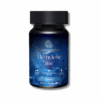
Product format and quality This page describes a capsule product. Before purchasing or using any methylene blue product, review its full ingredient list, product status, quality documentation, and the package insert. The insert linked on this page is retained for customers who scan the product label QR code.
Safety comes first Methylene blue can cause serious interactions, including with medicines that affect serotonin. It may also be unsafe for people with G6PD deficiency. Do not self-prescribe it or change prescribed treatment based on online claims. Ask a doctor or pharmacist to review your medicines and health conditions before use. If you suspect an adverse reaction, seek prompt medical advice.
This information is educational, not a diagnosis or treatment recommendation. Evidence and product regulations can differ by formulation and country.
Product format This product is available in capsule form. Check the current product listing for ingredients, capsule strengths, and serving information. Product strengths and ingredients vary by formulation.
No dosing advice is provided on this page. Ask a qualified doctor or pharmacist to review product information and your medicines before considering methylene blue. Refer to the linked package insert for product-specific information.
What is known Do not rely on this product to improve cognition, repair DNA, prevent disease, or treat infections. Such benefits have not been established for this product. Methylene blue is biologically active and should not be used as a substitute for clinical care.
People taking medicines, especially medicines that affect serotonin, and people with G6PD deficiency should seek individualized advice from a doctor or pharmacist before exposure. This page does not provide a dose. Follow only advice from a qualified healthcare professional and the product’s current safety information.
Important safety information Methylene blue may cause serious medicine interactions, including with medicines that affect serotonin. It may cause hemolysis in people with G6PD deficiency. If you are pregnant or breastfeeding, have a medical condition, or take prescription or over-the-counter medicines, seek individualized advice from a qualified healthcare professional before use.
Do not use online information to self-diagnose, choose a dose, or replace prescribed treatment. For urgent symptoms or a suspected interaction, contact a healthcare professional or emergency service.
Evidence and medical use Methylene blue has specific established medical uses under professional supervision. Those uses do not establish that an oral supplement prevents or treats disease. Research into other applications is ongoing, and preliminary findings should not be presented as proven benefits.
For product-specific composition and safety information, use the linked package insert and consult a qualified healthcare professional. The linked PDF and its URL remain unchanged.