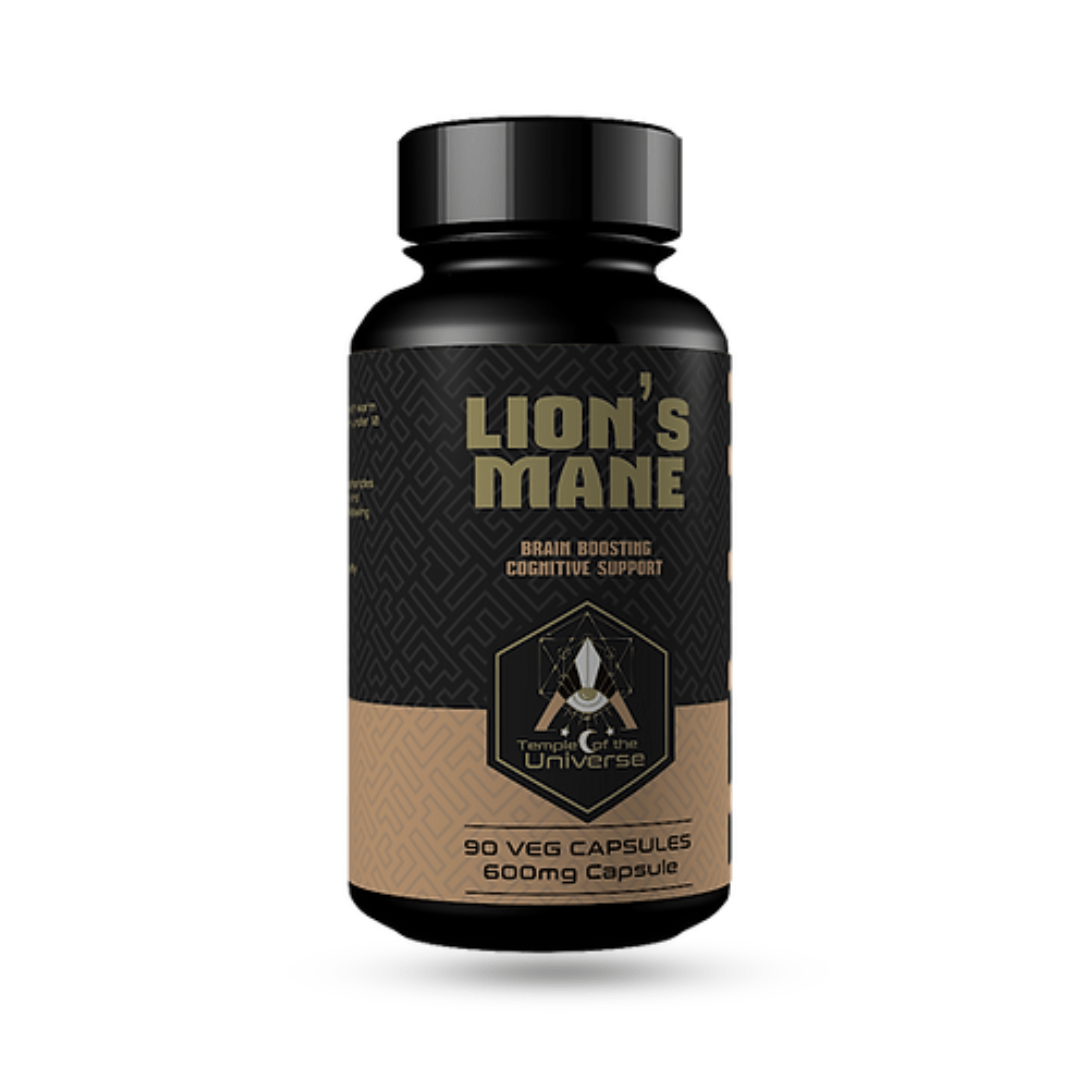
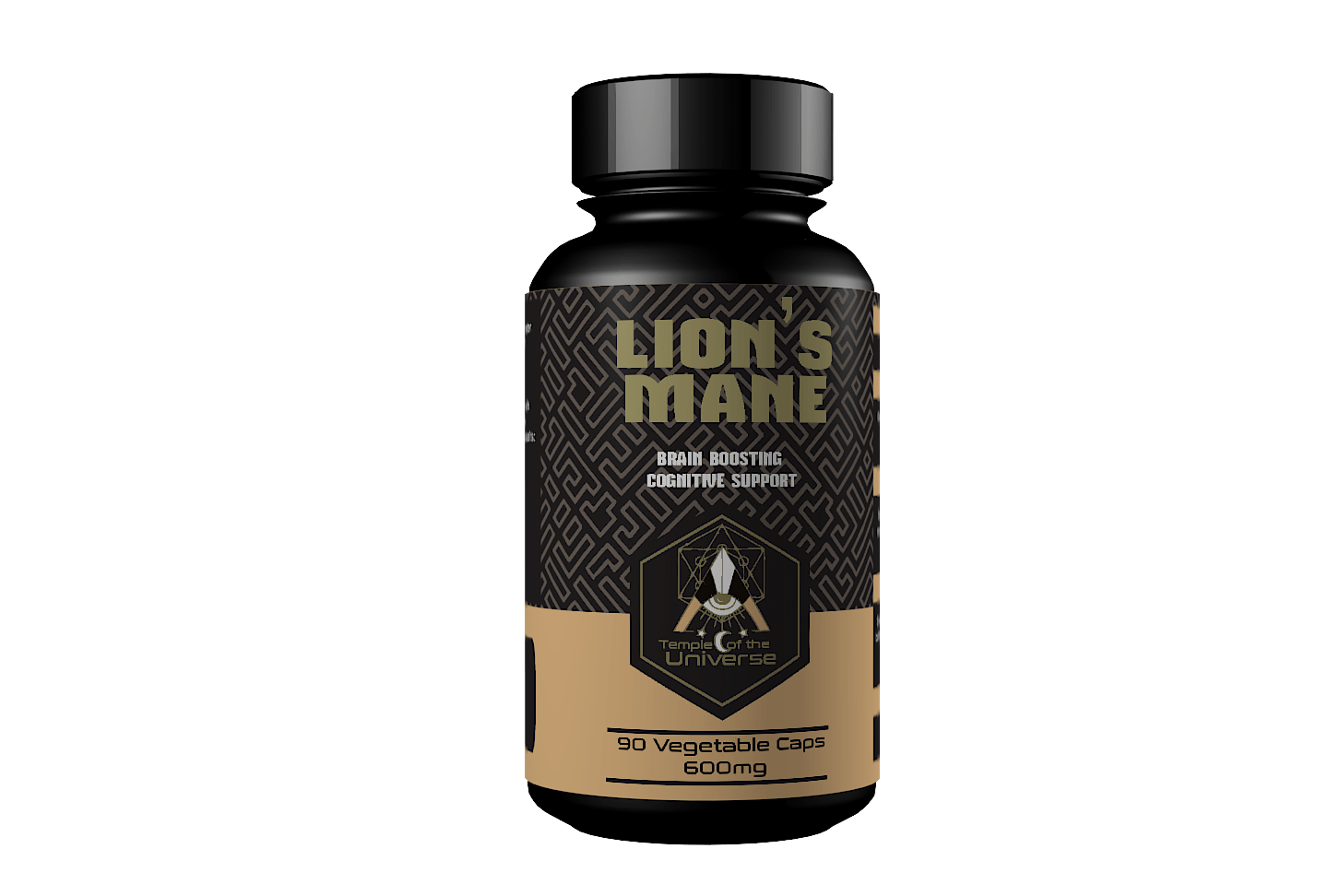
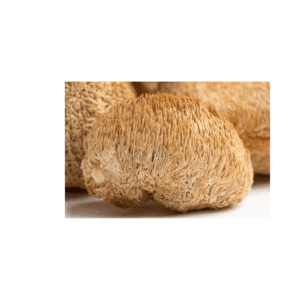
Lion’s Mane Capsules (90) 600mg
R370.30 incl. VAT
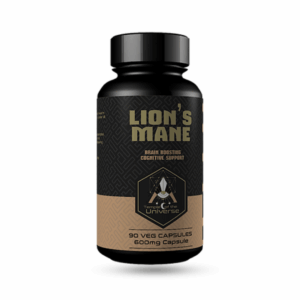
Brand: Temple Of The UniverseLion’s Mane 600mg · 90 vegetarian capsules
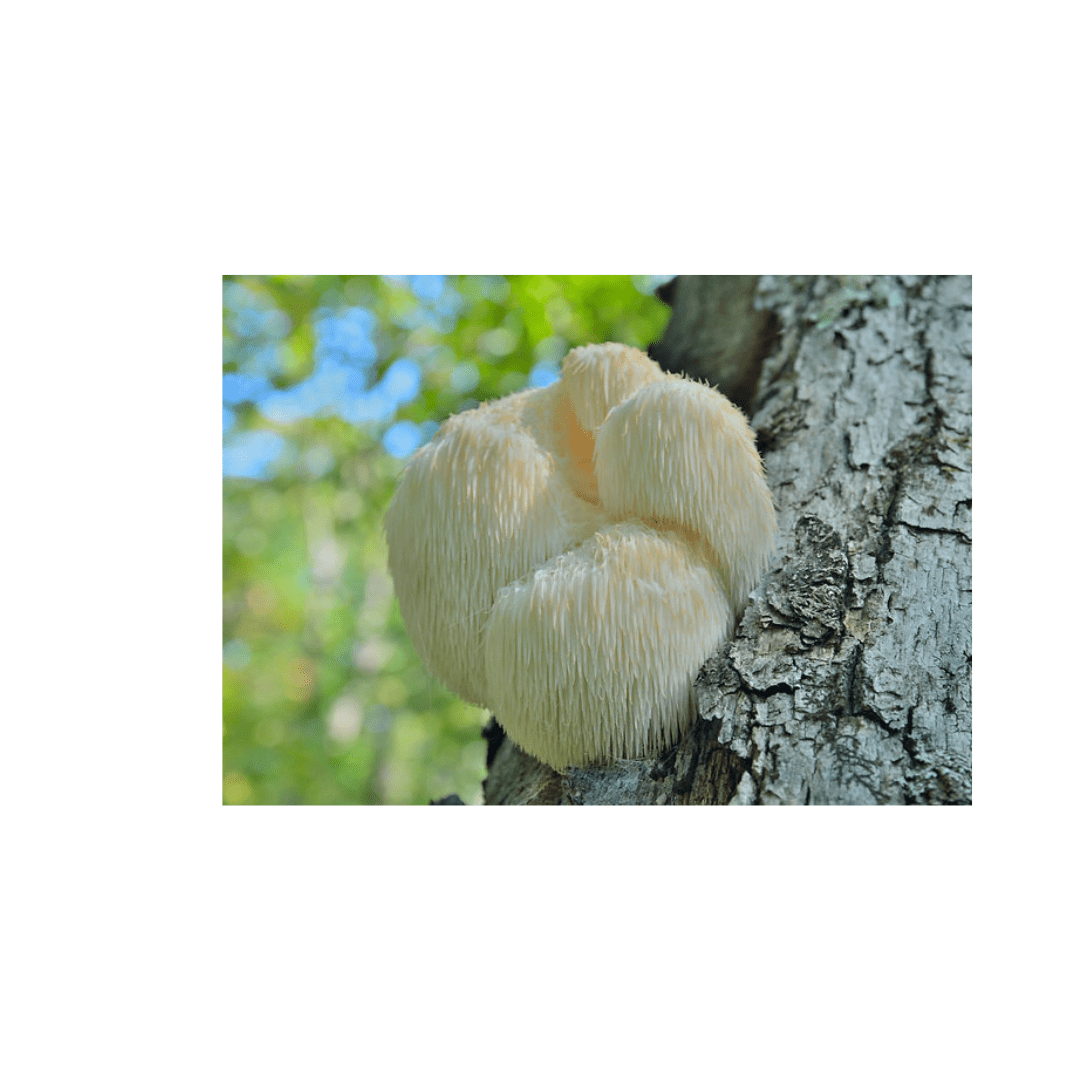
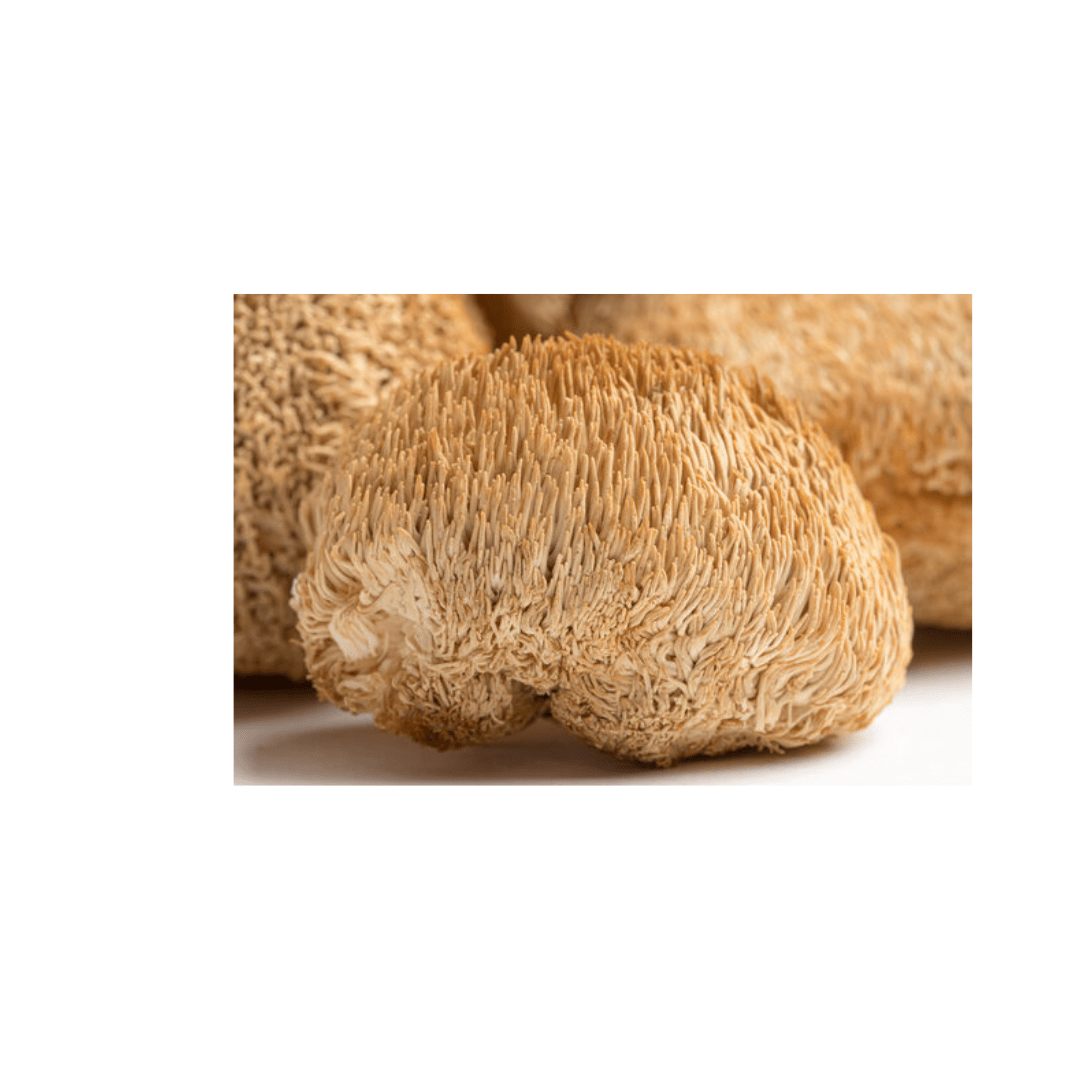
A full fruiting-body extract of Hericium erinaceus, with a declared 10:1 extract ratio.
Potential uses being studied:
- Memory and thinking
- Focus and attention
- Mood and stress-related wellbeing
Active ingredient: Lion’s Mane fruiting-body extract, 600mg per capsule.
Brand: Temple of the Universe.
Early human research is mixed, and study preparations vary.
Avoid with a mushroom allergy. Check suitability with your pharmacist or practitioner before use.
About this Lion’s Mane extract
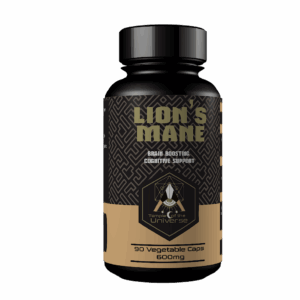
Temple of the Universe Lion’s Mane contains 600mg Hericium erinaceus full fruiting-body extract per capsule, with a declared 10:1 extract ratio. Each bottle contains 90 vegetarian capsules.
Small human studies have explored cognition, attention and mood-related outcomes. The preparations and findings differ; a 10:1 ratio alone does not establish a particular effect.
Ingredients and product details
- Active ingredient: Hericium erinaceus (Lion’s Mane), 600mg full fruiting-body extract per capsule.
- Extract ratio: 10:1.
- Pack: 90 vegetarian capsules.
- Brand: Temple of the Universe, South Africa.
The extract ratio describes the preparation; it is not a beta-glucan percentage or a measure of clinical strength. Check the full bottle label for capsule-shell, excipient and allergy information.
How to use and safety information
Follow the directions on your current bottle. If the serving is unclear, check with your pharmacist or practitioner before use. Clinical-study amounts are not product directions.
- Mushroom allergy: avoid use if you have a known allergy to this mushroom. Stop use and obtain care for an allergic reaction.
- Pregnancy, breastfeeding and children: adequate safety evidence for this product is not established. Obtain appropriate professional advice before use.
- Medicines and medical conditions: discuss this product and your complete supplement list with your clinician or pharmacist before use. Product-specific interaction evidence is limited.
- Tolerability: gastrointestinal discomfort, nausea and rash have been reported in clinical research with particular preparations. Seek advice if an adverse response occurs.
- Storage: store at or below 25°C, protect from moisture and sunlight, and keep out of reach of children. Check the current bottle’s batch, seal and expiry.
The existing listing states that this unregistered product has not been evaluated by SAHPRA for quality, safety or intended use. It is not intended to diagnose, treat, cure or prevent disease.
Research and published studies
Five studies below investigate fruiting-body or other mushroom preparations; one uses specifically enriched mycelium. They are not six positive trials of this exact 10:1 product. Study doses describe research protocols, not instructions for these capsules.
1. Mori et al. (2009) · Mild cognitive impairment
Thirty adults with mild cognitive impairment were randomized to mushroom-powder tablets or placebo for 16 weeks. The regimen was four 250mg tablets, containing 96% dry mushroom powder, three times daily. Cognitive-scale scores favoured the mushroom during treatment, then declined after stopping. This small powder study did not test a 10:1 retail extract or establish dementia prevention.
Read the published human study
2. Nagano et al. (2010) · Mood-related symptoms in women
Thirty women were assigned mushroom-containing or placebo cookies for four weeks. Some symptom scores improved from baseline and selected complaint measures favoured the mushroom, while other mood-related differences were trends rather than definitive results. The study used a food preparation, not this capsule, and does not establish a treatment for clinical depression or anxiety.
Read the published human study
3. Saitsu et al. (2019) · Cognitive tests over 12 weeks
Thirty-four people entered this randomized trial and 31 were included in the analysis. Participants took four daily supplements, each containing 0.8g fruiting-body powder, or placebo for 12 weeks. The MMSE measure showed a favourable result; the visual-retention and verbal paired-learning tests did not establish the same benefit. Powder quantities are not equivalent to this 600mg, 10:1 extract.
Read the published human study
4. Li et al. (2020) · A different, enriched mycelium preparation
A 49-week pilot trial in people with mild Alzheimer’s disease used three daily 350mg capsules of erinacine-A-enriched mycelium containing 5mg/g erinacine A. Selected cognitive and daily-function results were encouraging, but this was a specialized mycelium preparation under clinical supervision. It differs from the declared fruiting-body extract in this product. The paper’s title is not proof that this bottle prevents or treats Alzheimer’s disease.
Read the published human study
5. Docherty et al. (2023) · Healthy young adults
Forty-one healthy adults received 1.8g daily of a particular mushroom preparation or placebo for 28 days, with acute and longer-term testing. An acute Stroop reaction-time result favoured the mushroom; the overall longer-term stress effect was a statistical trend (p=0.051), and most cognitive outcomes did not show a general advantage. This pilot does not establish broad memory enhancement or equivalence to the Temple of the Universe extract.
Read the published human study
6. Surendran et al. (2025) · An acute 10:1 fruiting-body extract trial
Eighteen healthy adults took 3g of a particular 10:1 fruiting-body extract or placebo in a blinded crossover experiment. At 90 minutes there was no significant overall cognitive or mood benefit, although one dexterity task improved. This is relevant to the extract type but not proof of product equivalence: the same ratio does not establish matching composition, and the study dose is not a serving recommendation.
Read the published human study
Scientific reviews and background reading
- Friedman (2015): chemistry, nutrition and bioactive compounds — peer-reviewed overview separating mushroom parts and constituents; much of the underlying evidence is laboratory or animal research.
- 2025 systematic review: benefits, side effects and uses of Hericium erinaceus — surveys a heterogeneous evidence base including laboratory studies and small human trials. Primary papers above are used for the exact study preparation and outcome.
- NIH LiverTox: Lion’s Mane — expert safety background and annotated human-study references; limited safety reporting does not prove universal safety.
These reviews and expert references are separate from individual clinical trials and supplier COAs. No marketing brochure is counted as independent clinical evidence.
More about Lion’s Mane
- Lion’s Mane and Synaptolepis kirkii: what the evidence can say
- Extract ratios and standardisation: what to compare
- How to read a cognitive-supplement label
- Supplement quality, COAs and traceability
Our Editorial and Evidence Policy explains how ingredient studies, traditional uses and product information are assessed.
| Weight | 0.12 kg |
|---|---|
| Dimensions | 6 × 6 × 12 cm |
| Pack size | 90 capsules |
| Declared active ingredient | Hericium erinaceus (Lion’s Mane) |
| Declared amount | 600mg per capsule |
| Mushroom part | Full fruiting body, as declared |
| Declared extract ratio | 10:1 |
| Capsule | Vegetarian, as declared; shell polymer not specified |
Only logged in customers who have purchased this product may leave a review.




Reviews
There are no reviews yet.