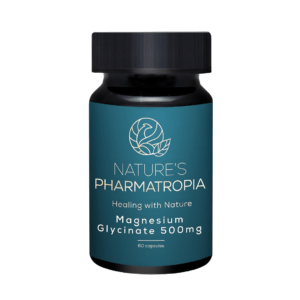
Magnesium
Glycinate – an effective way to ensure all aspects of health and well-being.
Did you know that 2 out of every 3 people don’t get enough magnesium ?
It’s important to note that while magnesium is available in many foods, some people may still experience a deficiency due to various reasons, such as dietary restrictions, certain medical conditions, or medication use.
◎ ◎ ◎ ◎
sOURCING A CRUCIAL ESSENTIAL ELEMENT
Magnesium Glycinate is a form of the mineral magnesium that is bound to the amino acid glycine.
Magnesium is a naturally occurring mineral , often extracted from mineral-rich salts or brines, which are then processed and combined with –
Glycine is a non-essential amino acid that the body can produce on its own, can be produced synthetically or derived from natural sources such as protein-rich foods.
The combination of these two creates a compound that is gentle on the stomach and less likely to cause laxative effects compared to other forms of magnesium supplements.
Our Magnesium Glycinate supplement is definitely the most convenient and effective way to ensure adequate magnesium intake, with our 500mg caps, formulated with quality and efficacy in mind, high bioavailability and gentle effect on the stomach. Our product is suitable for individuals seeking to optimize their magnesium levels and promote overall vitality. Supported by medical research, this supplement provides a range of advantages essential for maintaining overall well-being:
Enhanced Absorption: Magnesium Glycinate’s chelated form ensures efficient absorption, maximizing its utilization for various bodily functions.
Cardiovascular Support: Magnesium is vital for regulating blood pressure and heart rhythm, contributing to overall cardiovascular health. Adequate intake of Magnesium Glycinate supports a healthy heart and circulation.
Muscle Function and Relaxation: Magnesium is essential for muscle contraction and relaxation. Supplementing with Magnesium Glycinate helps alleviate muscle cramps, spasms, and tension, promoting overall muscle comfort and function.
Bone Health: Alongside calcium, magnesium is crucial for maintaining strong bones. Magnesium Glycinate supports bone density, reducing the risk of osteoporosis when paired with a balanced diet and regular exercise.
Nervous System Support: Magnesium plays a critical role in nerve function and neurotransmitter regulation. Magnesium Glycinate supports a calm and balanced nervous system, aiding in relaxation and stress management.
Improved Sleep Quality: Magnesium regulates melatonin, the hormone responsible for sleep-wake cycles. Supplementing with Magnesium Glycinate enhances sleep quality and duration, promoting a more restful night’s sleep.
Mood Regulation: Magnesium deficiency is associated with mood disorders like anxiety and depression. Magnesium Glycinate supplementation supports mood stability and emotional well-being.
Metabolic Health: Magnesium is involved in various metabolic processes, including energy production and glucose metabolism. Adequate magnesium intake from Magnesium Glycinate supports overall metabolic health.
◎ ◎ ◎ ◎
Magnesium - a safe supplement
Magnesium glycinate is generally well-tolerated and causes minimal side effects, which makes it a suitable option for those requiring higher doses of magnesium or those who experience side effects with other forms.
The Essential Dance of Magnesium and Copper in Our Bodies
Morley Robbins casts a spotlight on the crucial interplay between magnesium and copper, crucial minerals that significantly impact our health. His insights reveal that magnesium isn’t just vital for muscle and nerve function; it’s also a key regulator of copper in our bodies. Why does this matter? Because copper is essential for producing energy and protecting us from oxidative damage, yet it requires the help of magnesium to be properly managed within the body.
Robbins explains that for copper to be effectively absorbed and utilized, magnesium levels must be optimal. This is because magnesium helps maintain the delicate balance needed to prevent both copper deficiency and excess. Achieving this balance is fundamental because it ensures that copper can carry out its roles effectively—such as supporting our body’s energy production and antioxidant defences—without becoming toxic.