Sananga Eye Drops: Traditional Context, Evidence and Essential Safety
Sananga has a significant traditional context in parts of the Amazon, but putting any botanical preparation into the eye carries real risk. Traditional reports of clarity, focus or ritual cleansing should not be translated into promises that Sananga treats eye disease or improves vision.
What is Sananga?
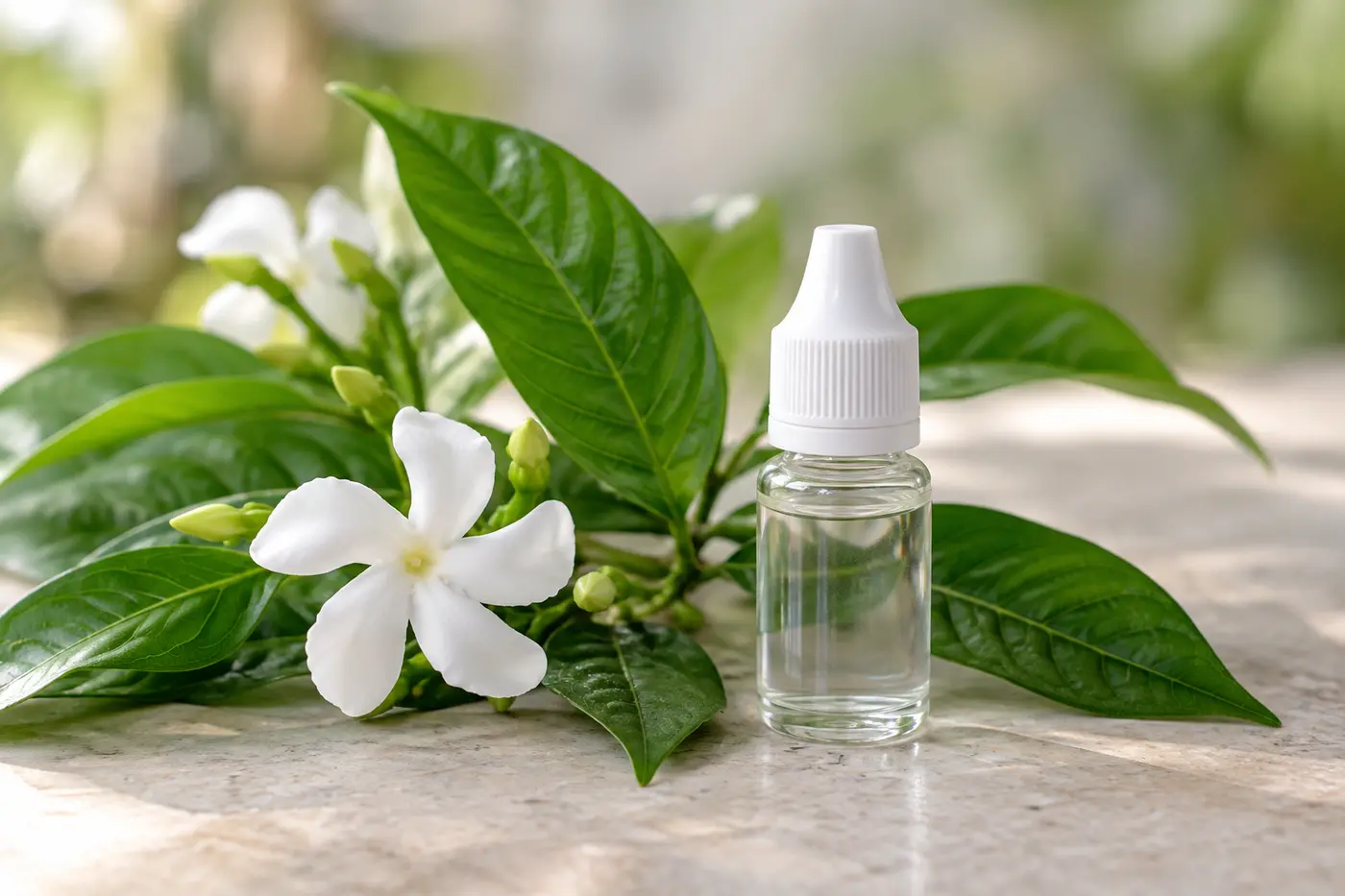
The name is used for preparations made from plants associated with Amazonian traditions, often from the Tabernaemontana genus. Preparation methods and plant identity can vary. This variability matters because the eye is highly sensitive to concentration, contamination, pH and particulates.
Traditional and spiritual context
Sananga may be used within particular cultural and ceremonial frameworks for focus, cleansing or preparation. Respectful discussion acknowledges the knowledge holders and setting. It also distinguishes cultural meaning from clinical evidence.
What evidence does not establish
There is not strong clinical evidence that commercial Sananga products treat glaucoma, cataracts, infection, retinal disease or digital eye strain. Temporary changes in sensation or visual perception do not prove improved ocular health. Burning is not evidence that a product is working.
Why ocular safety matters
Non-sterile drops can introduce infection. Incorrect pH, plant particles or concentrated compounds may injure the cornea. “Mild”, “strong” and “extra strong” are not standardised medical measures. Contact-lens wear, previous surgery, dry-eye disease and existing eye conditions can increase risk.
Never delay urgent eye care
Sudden vision loss, severe pain, chemical exposure, injury, light sensitivity with marked redness, a curtain-like shadow, or new flashes and many floaters require urgent professional assessment. Read our broader everyday eye-care guide for safer routine habits.
Frequently asked questions
Can Sananga improve eyesight?
Reliable evidence does not establish lasting improvement in visual acuity or treatment of eye disease.
Is intense burning normal?
Do not use pain as a quality test. Persistent pain, redness or vision change needs prompt assessment.
Can I make eye drops at home?
No. Home preparation cannot reliably ensure sterility, identity, pH or safe concentration.
Written by Lize Bührmann, founder of Pharmatropia. Educational information only; consult an optometrist or ophthalmologist before using any non-standard eye preparation.