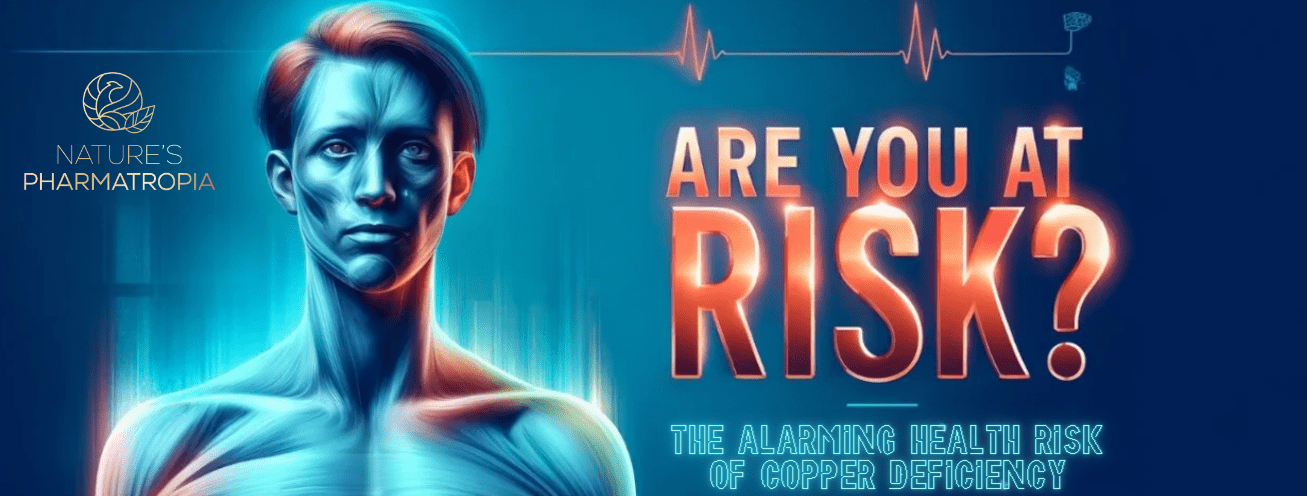
Are You At Risk? The Alarming Health Consequences of Copper Deficiency
Copper is an essential mineral that plays a crucial role in maintaining overall health. It’s involved in immune function, energy production, and brain health, among other things. Yet, many people are unaware of the severe health risks associated with copper deficiency. It’s an “invisible” problem that affects countless individuals without them realizing it. This blog article will explore the significant risks of copper deficiency, its role in health, common causes, symptoms to watch for, and practical solutions to correct this potentially dangerous condition.
The Severe Health Risks of Copper Deficiency
Imagine waking up each day feeling exhausted, mentally sluggish, and constantly battling illnesses. This scenario is the reality for many people suffering from copper deficiency, a condition that can lead to a cascade of health issues. From chronic fatigue syndrome and autoimmune diseases to ADHD and metabolic disorders, the repercussions of copper deficiency are profound and far-reaching.
Copper deficiency can lead to a host of health problems, many of which are serious and far-reaching. Here’s a look at the potential risks:
Chronic Fatigue: A lack of copper can leave you feeling constantly tired and lacking energy.
Mood Disorders: Low copper disrupts the production of neurotransmitters, leading to anxiety, depression, and mood swings.
Oxidative Stress: Without enough copper, your body’s defense against free radicals weakens, increasing the risk of diseases like Alzheimer’s and Parkinson’s.
Iron Mismanagement: Copper deficiency can cause iron to accumulate improperly, leading to inflammation and potentially contributing to cardiovascular diseases.
Autoimmune Diseases: Conditions like lupus and rheumatoid arthritis have been linked to copper deficiency.
Metabolic Disorders: Copper deficiency can contribute to metabolic issues like diabetes and obesity.
Gastrointestinal Problems: Low copper has been associated with chronic gastrointestinal conditions.
Neurodegenerative Diseases: Copper plays a role in preventing neurodegenerative diseases, highlighting its importance for brain health.
Magnesium Deficiency: Copper deficiency can lead to lower magnesium levels, causing muscle cramps and other complications.
Understanding Copper's Role in Health
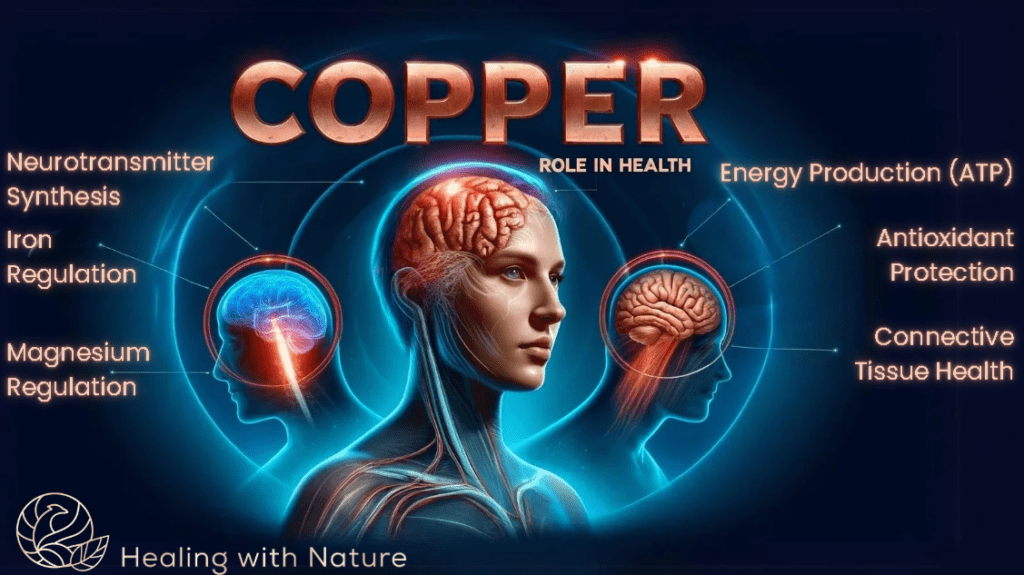
Copper plays a critical role in many bodily functions. Here’s why it’s considered the unsung hero of health:
- Energy Production: Copper is integral to the production of adenosine triphosphate (ATP), which powers your muscles, brain, and other organs. Without copper, your cells can’t generate the energy needed to function properly.
- Antioxidant Protection: Copper supports superoxide dismutase (SOD), an enzyme that neutralizes harmful free radicals. This helps protect your cells from oxidative stress, which can lead to various diseases.
- Iron Regulation: Copper is key to transporting and utilizing iron. When copper levels are low, iron regulation suffers, leading to oxidative stress, inflammation, and even calcification in blood vessels.
- Neurotransmitter Synthesis: Copper helps produce neurotransmitters like dopamine and serotonin. These chemicals are vital for maintaining mood, focus, and motivation. Copper deficiency can lead to mood disorders and reduced mental clarity.
- Magnesium Regulation: Copper influences magnesium levels, affecting muscle relaxation and nerve function. Copper deficiency can cause magnesium to drop, resulting in muscle cramps and other issues.
- Connective Tissue Health: Copper aids in collagen production, ensuring strong and flexible skin, joints, and blood vessels.
Why Copper Deficiency Is So Common
Several factors contribute to the widespread issue of copper deficiency:
- Modern Diets: The shift to processed and refined foods has reduced copper intake significantly compared to the 1940s when people consumed more whole foods and copper-rich organ meats.
- Soil Depletion: The overuse of agricultural chemicals like Roundup has depleted copper from soil, resulting in foods with lower copper content.
- Generational Impact: Babies can be born with copper deficiency, and this can compound over generations if the parents also had low copper levels.
- Hair Color: Those with darker hair generally require more copper, making them more prone to deficiency if their diet lacks copper.
Identifying Symptoms of Copper Deficiency
Recognizing the signs of copper deficiency is the first step toward addressing it. Common symptoms include:
- Chronic fatigue: Feeling tired all the time, even after a full night’s sleep.
- Brain fog: Difficulty concentrating, forgetfulness, or a general sense of mental sluggishness.
- Weakened immunity: Frequent colds, infections, or other illnesses.
- Neurological issues: Tingling or numbness in the extremities, muscle weakness, or poor coordination.
In more severe cases, copper deficiency can lead to autoimmune diseases, ADHD, and even heart disease. If you experience any of these symptoms, it’s crucial to consider copper deficiency as a possible cause and seek professional advice for proper diagnosis and treatment.
How the Root Cause Protocol Can Help
The Root Cause Protocol (RCP) provides a solution for restoring copper balance and supporting overall health. Here’s how it works:
- Copper-Rich Foods: The RCP emphasizes the importance of copper-rich foods like desiccated beef liver, which is a concentrated source of bioavailable copper.
- Targeted Nutritional Strategies: The RCP includes nutritional plans designed to boost copper levels while addressing other mineral imbalances, such as iron and magnesium.
- Rebalancing Iron: By restoring copper balance, the RCP helps correct iron mismanagement, reducing oxidative stress and inflammation.
- Supporting Magnesium: The RCP also addresses magnesium regulation, which is often impacted by copper deficiency.
Embracing Copper for a Healthier Life
Copper is more than just a trace mineral—it’s a critical component of your body’s well-being. By understanding its importance and taking steps to ensure you’re getting enough copper, you can improve your energy, mood, and overall health. If you suspect a copper deficiency, consider exploring the Root Cause Protocol to get back on track and unlock the full potential of your health.


2 comments
Belinda Wolff
I am looking for elemental 2mg copper tablets. There can’t be any zinc. Would this work ?
AdministratorAuthor
HI Belinda
We have Willow rand Copper in 3.5mg per tablet. There is no zinc inside only the chelated copper. If there’s any further questions you are welcome to mail us on [email protected]