The Hibiscus Flower: A Symbol of Beauty and Tradition
The Hibiscus sabdariffa flower with its stunning array of colours and delicate petals, holds rich cultural and historical significance across the globe. Hibiscus tea likely originated around 6,000 years ago in West Africa or Sudan. Over time, it travelled to India and then North America in the 1600s. Now, it is grown in subtropical and tropical climates worldwide.
In ancient Egypt, hibiscus tea—known as karkadè—was served cold along the Nile River and used primarily by Pharaohs. It played an important role in religious and healing ceremonies in the Nile Valley during that time. Considered a divine and sacred flower in many cultures and is often used in religious ceremonies and rituals as an offering to deities. Today, hibiscus tea is enjoyed globally for its vibrant red colour and tart, cranberry-like flavour.
Spiritually, hibiscus is believed to enhance dreams and intuition. Its energy fosters vivid, meaningful dreams that offer insights and guidance from the subconscious. By working with hibiscus, one can deepen their connection to inner wisdom and spiritual realms, promoting a sense of clarity and purpose that extends beyond the waking state. This flower’s essence is said to open pathways to the heart and soul, encouraging self-discovery and personal growth through the power of dreams
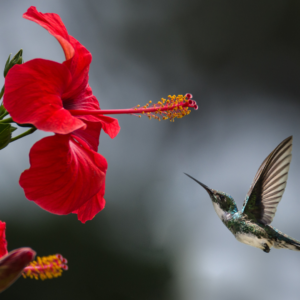
Beyond its ornamental value, the hibiscus flower boast a plethora of medicinal and culinary uses. Its petals are commonly dried and brewed into a refreshing herbal tea known as Hibiscus orroselle tea.
This beverage is celebrated for its potential health benefits believed to have antihypertensive* effects, and contains anthocyanins*, flavonoids*, and phenolic compounds*, which act as powerful antioxidants.
- Rich in antioxidants for combating oxidative stress
- Supports heart health by lowering blood pressure and improving cholesterol levels
- Aids digestion and promotes gastrointestinal health
- Assists in weight management by inhibiting carbohydrate absorption
- Promotes kidney health and reduces the risk of kidney stones
- Supports liver health and aids in detoxification processes
- Helps control blood sugar levels, beneficial for diabetes management
- Possesses anti-inflammatory properties for alleviating arthritis symptoms
Descriptive terms (*)
Antihypertensive: Substance that is effective against high blood pressure
Anthocyanins: Give plants their distinctive colours and play various roles, including photoprotection, stress response, and even animal-mediated pollination
Flavonoids: Group of natural substances
Phenolic compounds: A diverse class of bioactive secondary metabolites. These compounds exhibit various biological activities, including antioxidant, antimicrobial, and anti-inflammatory properties
Hibiscus Radiance - Nature’s blush for your well-being
In addition to tea, hot of cold, hibiscus flowers are utilized in various cuisines around the world, adding a unique flavour and vibrant colour to dishes such as jams, syrups and salads.
Lulu’s Hibiscus Salad: Mix hibiscus flowers with tomatoes, cilantro leaves, lettuces, and onions. Drizzle with your favourite dressing and season with salt and pepper.
Refreshing and super healthy Tea’s, hot or cold:
- Classic Hibiscus Tea (Hot): 2 cups water; 2 tablespoons dried hibiscus petals; optional: honey or sugar to taste
Instructions: Boil the water / Add dried petals / Steep for 5-7 minutes. / Strain the petals / sweeten if desired and enjoy!
- Hibiscus Lemonade: 2 cups hibiscus tea (cooled); Juice of 2 lemons; 2 tablespoons honey or agave syrup; Ice cubes
Instructions: Mix the hibiscus tea, lemon juice, and sweetener / Serve over ice.
3. Hibiscus Mint Iced Tea: 2 cups hibiscus tea (cooled); Fresh mint leaves; 1 tablespoon honey; Ice cubes
Instructions: Add mint leaves to the cooled hibiscus tea / Sweeten with honey / Serve chilled with ice.
4. Hibiscus Ginger Iced Tea: 2 cups hibiscus tea (cooled); 1-inch fresh ginger (sliced); 1 tablespoon honey; Ice cubes
Instructions: Infuse the ginger in the cooled hibiscus tea / Sweeten with honey / Serve over ice.
5. Hibiscus Berry Punch: 2 cups hibiscus tea (cooled); Mixed berries (strawberries, blueberries, raspberries); 1 tablespoon lemon juice; Ice cubes
Instructions: Mix the hibiscus tea, lemon juice, and berries / Serve chilled with ice.